SINO MAXTON GROUP Co.,Ltd
News Details
Gypsum Fertilizer Granulation Line & Raymond Mill Solutions | Maxton
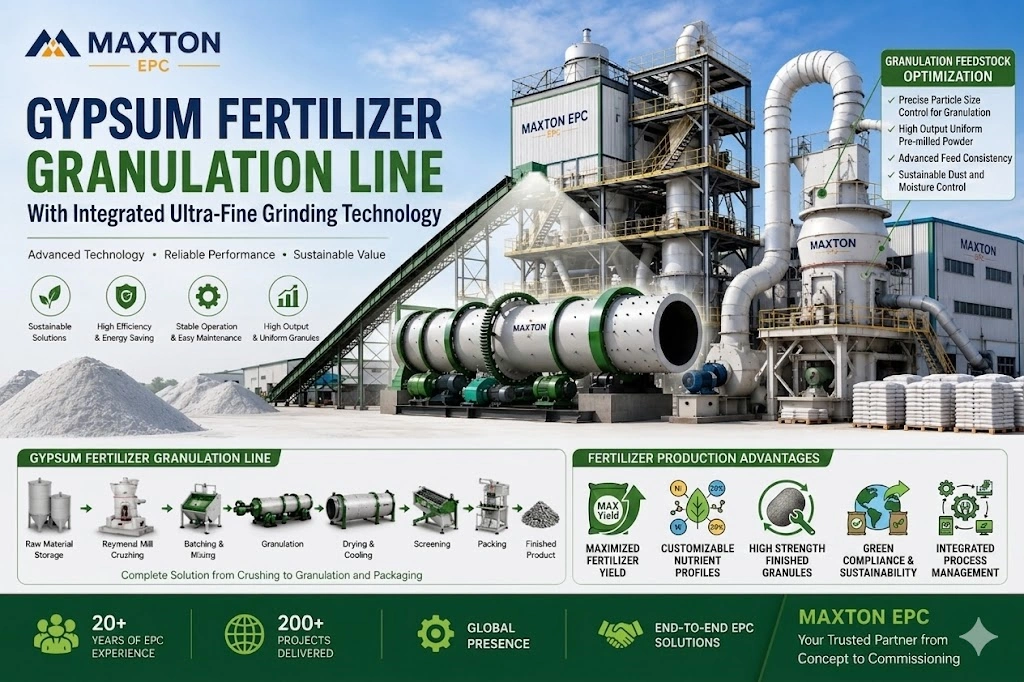
Revitalizing Degraded Soil: Complete Gypsum Fertilizer Granulation Line Solutions
As global agriculture intensifies, the long-term overuse of chemical fertilizers has led to severe soil compaction and secondary salinization. To combat this, gypsum (CaSO₄·2H₂O) has emerged as a highly sought-after soil conditioner and a premium source of calcium and sulfur.
Whether you are processing mined natural gypsum ores or looking to upcycle industrial by-products like Flue Gas Desulfurization (FGD) gypsum and phosphogypsum, Henan Maxton Machinery Co., Ltd. offers a complete gypsum fertilizer granulation line. We transform hard-to-handle powders into high-premium, machine-sowable granules, providing the ultimate EPC turnkey solutions for your soil remediation fertilizer plant.
Powdered Gypsum vs Granular Gypsum for Soil Amendment: Why Granulate?
While gypsum itself holds immense agricultural value, its raw, powdered form presents critical commercial and operational bottlenecks. Understanding the difference between powdered gypsum vs granular gypsum for soil amendment highlights why granulation is an essential investment:
-
Eliminating Dust and Enabling Mechanical Sowing: Powdered gypsum creates massive dust pollution during application, with wind-loss rates exceeding 30%. It also clogs modern tractor seeders. Our granular gypsum production equipment processes this fine powder into high-strength 2-5mm granules, ensuring excellent flowability for precise, mechanized broadcasting.
-
Controlled Release for Long-Term Repair: Fine powder often forms a hard crust on the soil surface when wet, failing to reach the root zone. Granular gypsum offers a controlled-release effect. As it slowly dissolves with irrigation, it continuously displaces sodium ions (Na⁺ ) in the soil lattice, effectively breaking up compaction.
-
Increased Market Value: Processing industrial waste upgrades it from a low-value byproduct to a premium agricultural commodity, significantly expanding your logistical reach and retail profit margins.
How to Make Granular Gypsum Fertilizer from FGD Gypsum and Natural Ore
To produce premium granules, the raw material must first be optimized. This is where our advanced milling technology bridges the gap between raw mining and fertilizer production.
The Crucial Role of the Raymond Mill for Gypsum Powder
Large, durable granules require an ultra-fine base to ensure a rapid reaction rate once applied to the soil. Before entering the granulator, natural ores or clumped by-products are processed through a Raymond mill for gypsum powder. This intelligent milling system grinds the coarse material into an ultra-fine 80-400 mesh powder. This physical transformation exponentially increases the specific surface area of the gypsum, unlocking its maximum chemical reactivity for rapid soil desalination.
Dry Extrusion vs Wet Granulation for Gypsum Fertilizer
Based on the homogenized fine powder produced by the Raymond mill, Maxton offers two proven granulation routes tailored to your project budget and moisture content. When evaluating dry extrusion vs wet granulation for gypsum fertilizer, consider the following solutions:
Route 1: Dry Roll Extrusion (Zero-Drying Granulation)
Best suited for: Dry, ultra-fine natural gypsum powder or dried FGD gypsum.
-
Process: This method utilizes our heavy-duty Double Roller Press Granulator. It applies massive mechanical pressure to force dry powder into dense sheets, which are then crushed and screened into irregular granules without adding any water or binders.
-
Advantage: Functioning as the ultimate FGD gypsum pelletizing machine, it boasts the lowest operational cost (OPEX) in the industry by completely eliminating the need for subsequent rotary drying and cooling systems. The resulting granules have extreme crush strength, perfect for bulk shipping and long-term storage.
Route 2: Wet Pan / Drum Granulation
Best suited for: Phosphogypsum with existing moisture content, or lines aiming to produce “compound soil conditioners” by adding humic acid and trace elements.
-
Process: The ultra-fine powder is agglomerated in a Disc Pelletizer or Rotary Drum Granulator using centrifugal force and a sprayed liquid binder.
-
Advantage: This method produces perfectly spherical granules with exceptionally high commercial aesthetic value. It also offers immense formula flexibility, allowing operators to seamlessly blend the gypsum powder with urea, potash, or beneficial microbial agents before granulation.
Core Equipment for Your Soil Remediation Fertilizer Plant
A highly efficient gypsum fertilizer granulation line requires robust system engineering. Maxton manufactures the core machinery in-house to ensure absolute stability:
| Equipment Name | Critical Function in the Production Line | Technical Edge |
| Raymond Mill | Grinds raw ore or clumps into ultra-fine powder (80-400 mesh), maximizing gypsum reactivity. | Equipped with wear-resistant rollers and an integrated pulse dust collector for a zero-dust workshop environment. |
| Double Roller Press Granulator | The core of the dry process. Uses hydraulic pressure to fracture-form ultra-fine powder into granules. | Features aerospace-grade wear-resistant alloy rollers, achieving a first-pass granulation rate of over 85%. |
| Disc Pelletizer / Rotary Drum | The core of the wet process. Uses centrifugal friction to produce highly spherical gypsum granules. | Stepless adjustable pan angle (35°-55°) with automated scraper systems for continuous, clean operation. |
| Rotary Dryer | Rapidly evaporates free surface water from wet-process granules. | Precise temperature control ensures only free water is removed without destroying the gypsum’s crystalline water structure. |
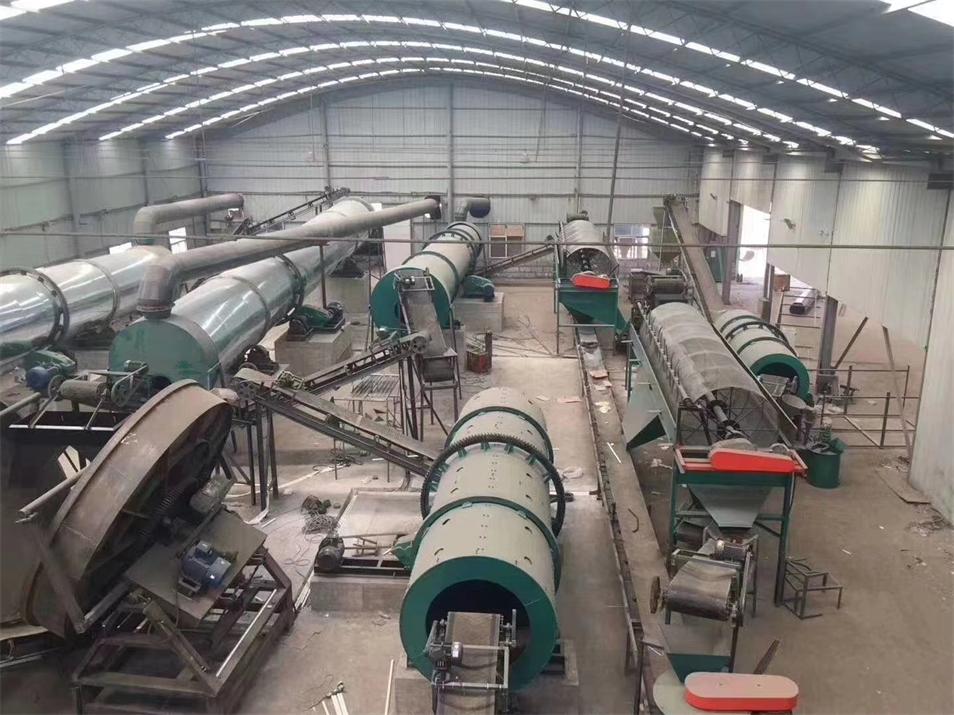
Technical FAQ on Building a Gypsum Fertilizer Granulation Line
Q: Can I process high-moisture FGD gypsum or phosphogypsum directly?
A: It depends on the granulation route you choose. If you plan to use a dry roll extrusion FGD gypsum pelletizing machine, the raw material moisture must typically be reduced to below 5%. We usually integrate a rotary pre-dryer before the extrusion process. However, if you opt for the wet pan/drum granulation route, the existing moisture can actually assist in the agglomeration process, though post-drying will be required for the finished granules.
Q: Is a Raymond Mill necessary for my production line?
A: A Raymond mill for gypsum powder is essential if your raw materials are mined natural gypsum ores, large crystals, or heavily clumped by-products. Grinding the material into an 80-400 mesh fine powder maximizes the gypsum’s specific surface area, which dramatically accelerates its reaction time in the soil. If your raw material is already a highly refined, dry powder, you may bypass the milling stage and feed it directly into the granular gypsum production equipment.
Q: How do I choose between dry extrusion and wet granulation for my project?
A: The choice heavily depends on your CAPEX/OPEX goals and the end-user market. Dry extrusion is highly favored because it eliminates the need for expensive drying and cooling machines, significantly lowering operational energy costs. Wet granulation is preferred if you need perfectly spherical granules for high-end retail markets or if you want to mix multiple liquid/solid additives into your soil remediation fertilizer plant formula.
Q: What makes granular gypsum better than traditional agricultural lime?
A: While both supply calcium, lime (CaCO₃) raises soil pH, making it unsuitable for alkaline soils. Gypsum (CaSO₄·2H₂O), however, is pH-neutral. It provides essential sulfur and calcium while specifically targeting and displacing sodium ions (Na⁺ ) that cause clay soils to compact. Building a gypsum fertilizer granulation line allows you to produce a premium product that solves soil salinization without negatively altering the pH balance.
Start Your Gypsum Valorization Project Today
Transforming low-value chunks and industrial waste into globally competitive “white gold” for soil improvement requires expert engineering. Whether you are looking for a compact 2-ton/hour dry extrusion line or a fully automated, large-scale soil remediation fertilizer plant, Maxton provides comprehensive EPC services.
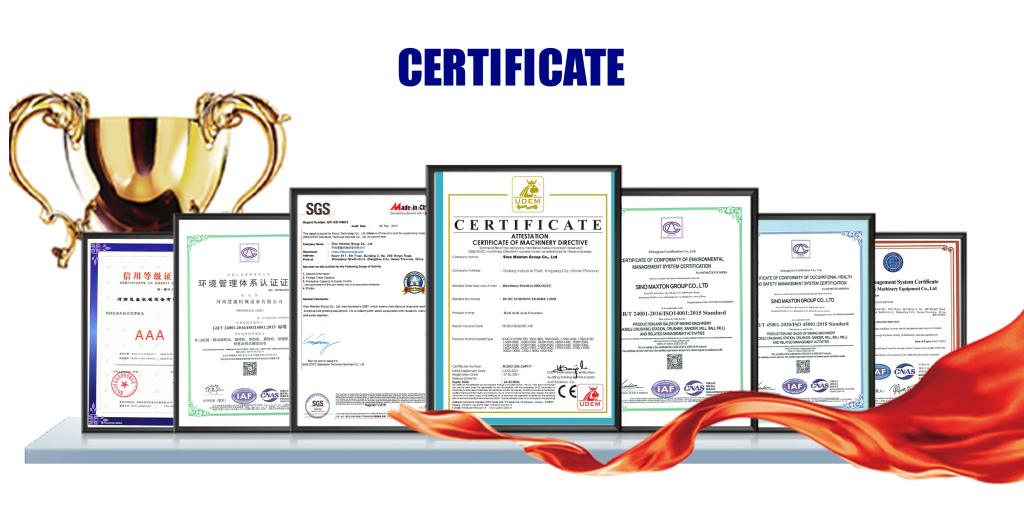
Contact the Maxton engineering team today to receive your custom PID flowchart, 3D plant layout, and a comprehensive equipment quotation for your next granular gypsum production equipment investment.
Related Posts
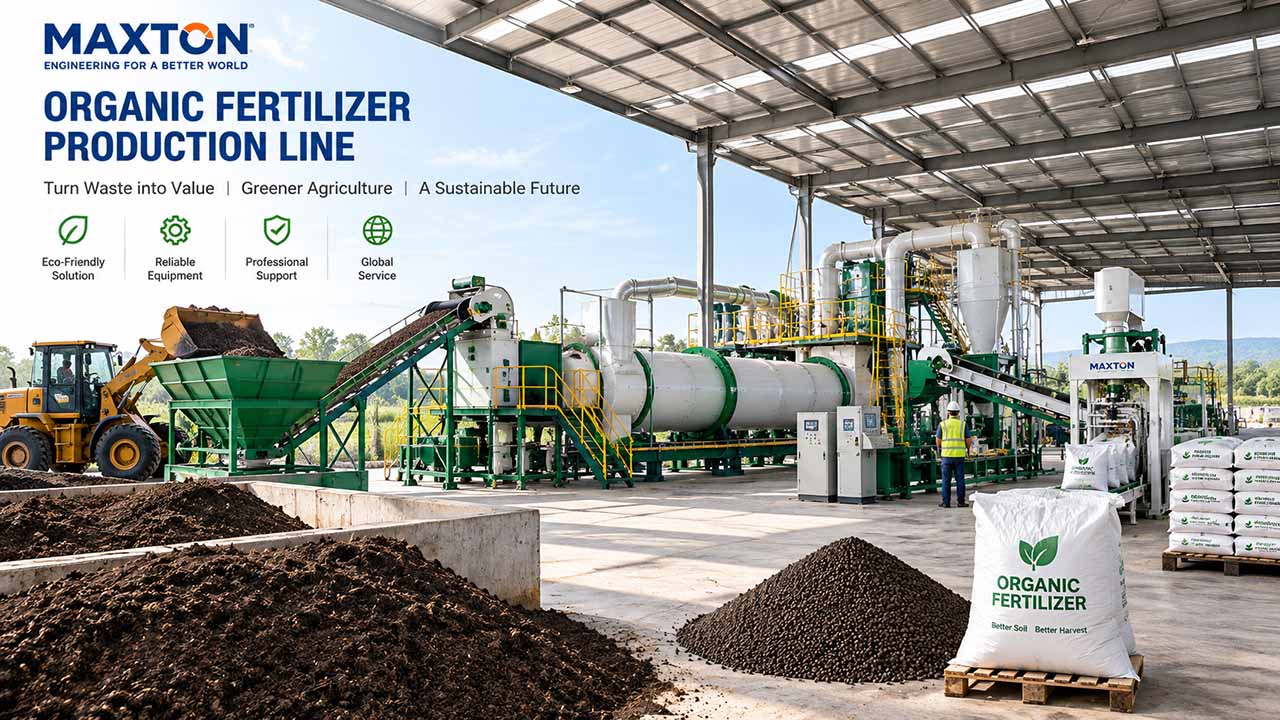
9 月 15, 2026
Fertilizer Plant Cost in 2026: Real Budget Ranges for Organic, Liquid, and NPK Production
Quick answer: A small organic fertilizer plant can start under $50,000. A commercial granular fertil...
8 月 24, 2026
Fertilizer Production Line: A Complete Guide to Equipment, Processes, and Components
What Are the Main Components of a Fertilizer Production Line? A complete fertilizer production line ...
Give us a call or Simply Complete the Form
Address:Zhengzhou City, Henan Province, ChinaPhone:+86-18237180035Email:svip@maxtonorg.com