🔥 Dry Extrusion Technology | No Binder | No Dryer

Double Roller Extrusion Granulator: Dry Granulation, High Density, Custom Shapes

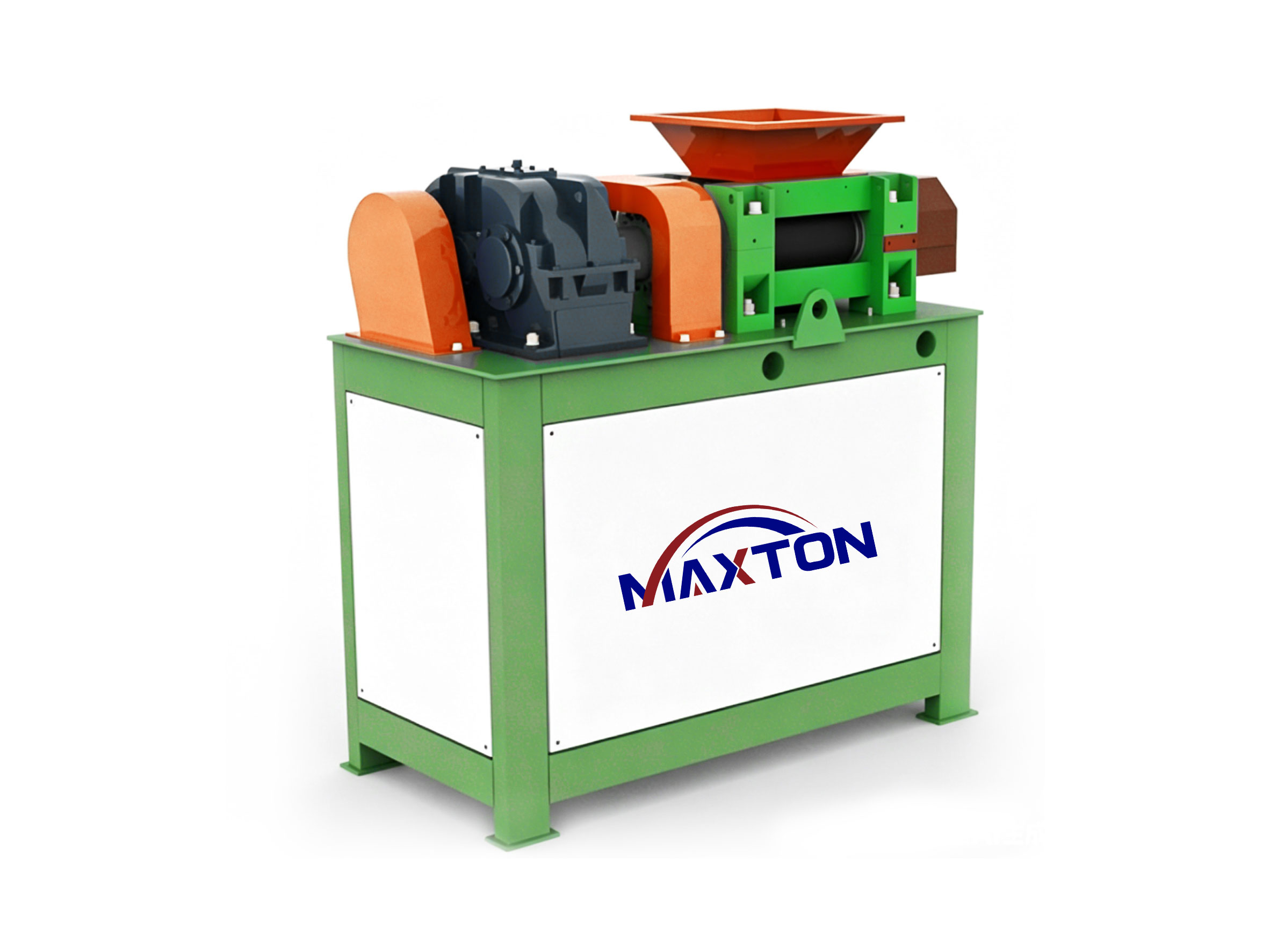
Double roller extrusion granulator for NPK fertilizer, organic fertilizer, bentonite, and gypsum. No binder needed for most materials. No dryer required. Granule density 2.5-3.5 g/cm³. Customizable roller pocket shapes: oval, pillow, round, square.

✅ 20+ Years Experience 🏭 CE / ISO / SGS 🌍 Export to 68 Countries ⚙️ 500+ Units Installed
Get Double Roller Granulator Quote → View Roller Pocket Shapes →
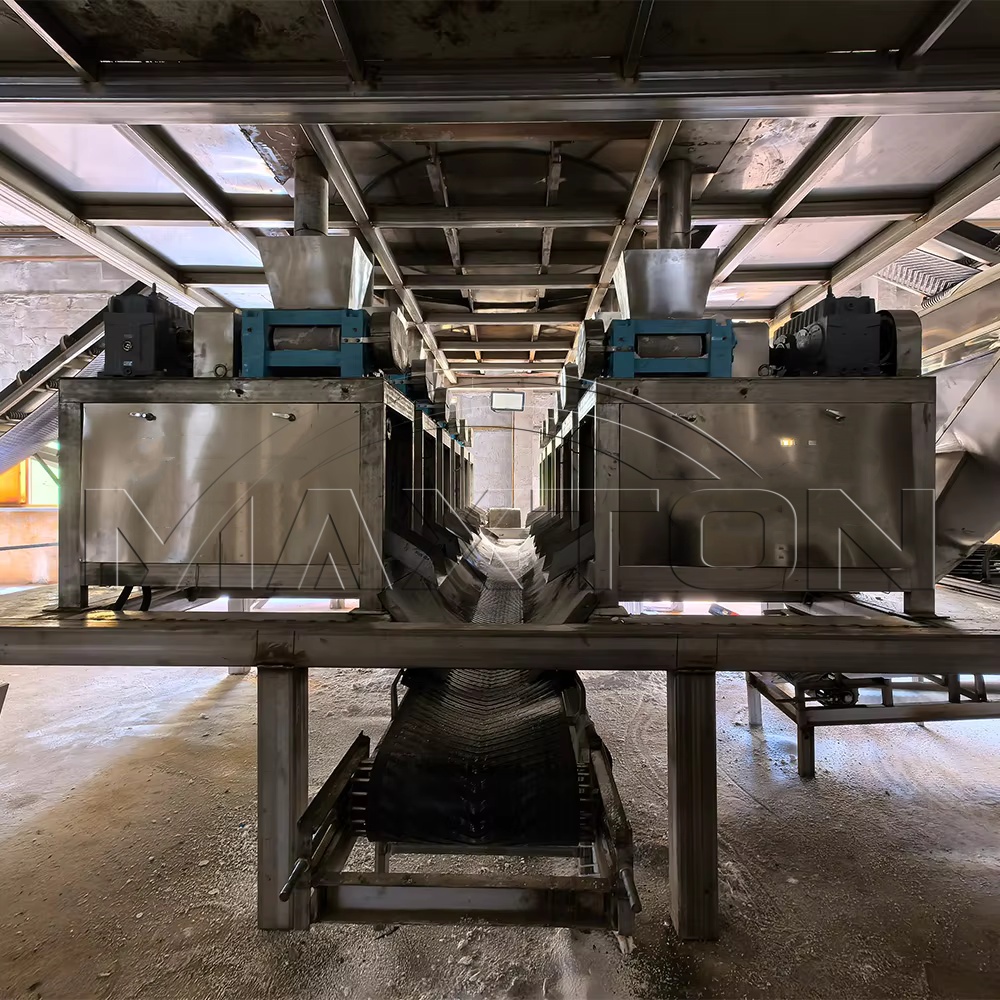
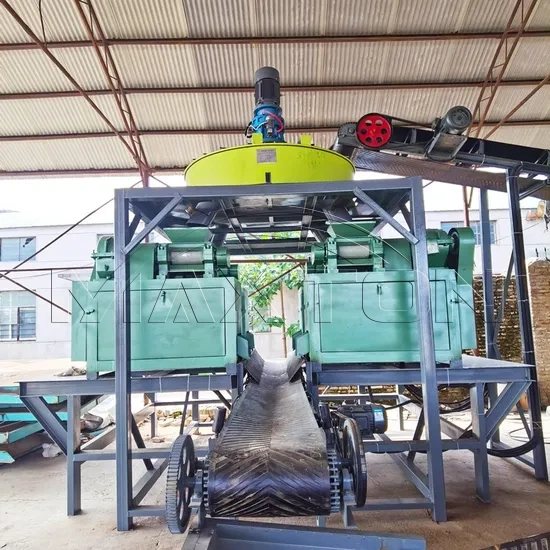
Maxton double roller extrusion granulator for dry granulation

Double Roller Extrusion Granulator in Action

Watch how our roller press granulator creates high-density granules without binder or dryer

From Single Machine to Complete Turnkey Line
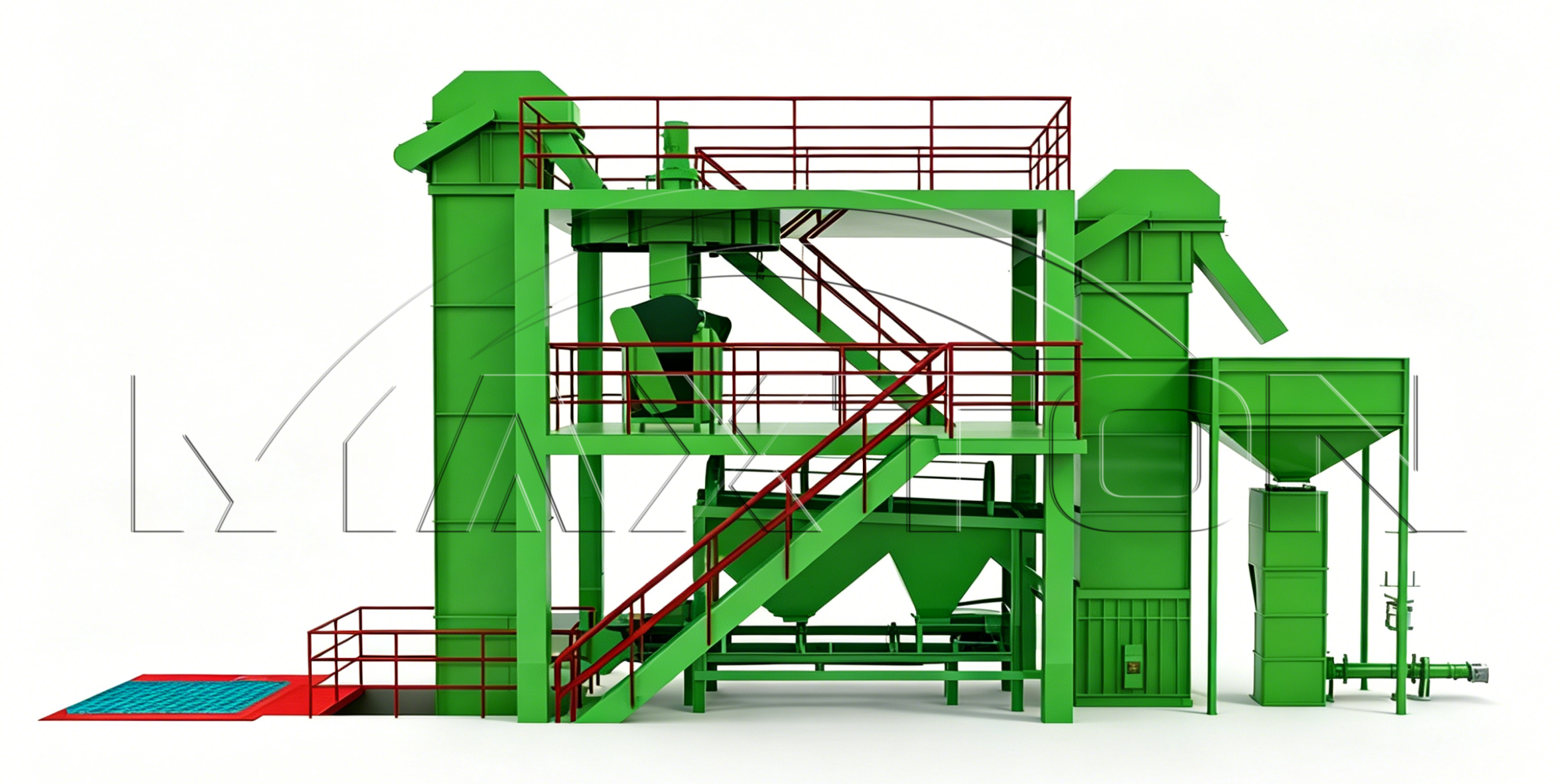
Crusher → Mixer → Double Roller Extrusion Granulator → Dryer → Cooler → Screener → Packing
Complete disc granulation production line

Need a full production line? Request a free layout drawing within 24h → Get Drawing

Double Roller Granulator: Roller Mold and Finished Pellet

Multiple roller skin indentation shapes are available—oval, pillow-shaped, round, and square. Custom shapes or brand logos can also be made to meet specific requirements.
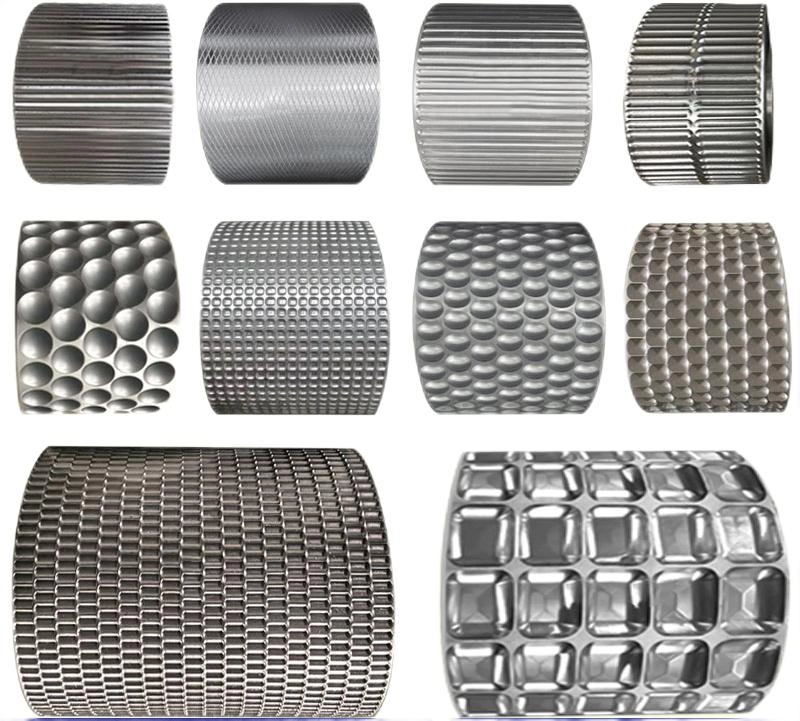
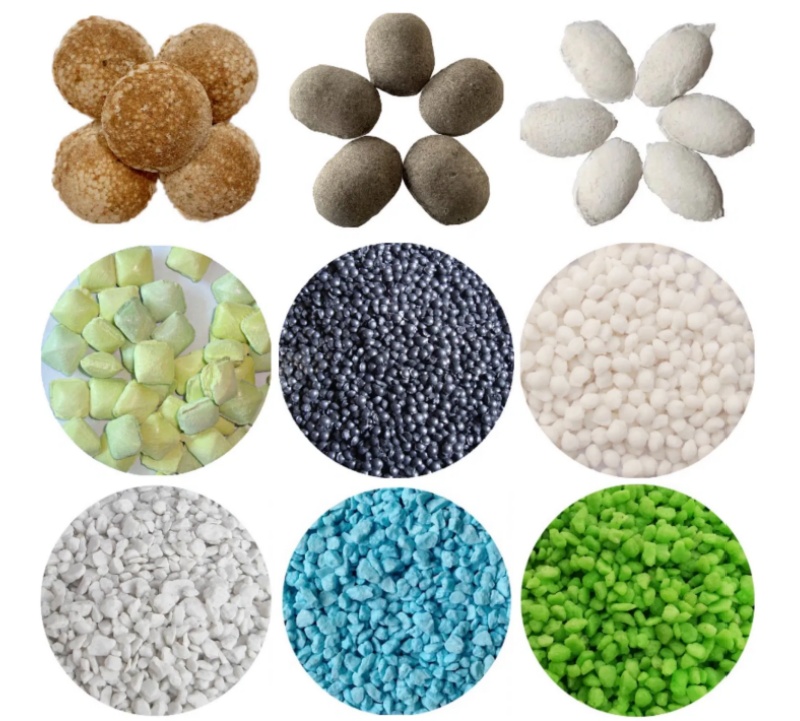
Roller mold
📌 Roller skin models for double-roll granulators (elliptical, pillow-shaped, circular, square)
Finished granules
📌 Finished pellets produced by the corresponding roller skin model (actual photo)

💡 Roller models can be customized. — If you require a specific recess shape, please provide drawings or samples, and we will customize the roller mold for you.

Consultation on custom roller skin →

Custom Double Roller Extrusion Granulator — Built for Your Material

Every roller press granulator is tailored to your specific material and production goals

Roller Material

65Mn • High-chromium alloy • 304/316L Stainless

Roller Mold

Oval • Pillow • Round • Square • Custom logo

Hydraulic System

Manual • Semi-auto • PLC-controlled

Capacity

1-18 t/h standard • Custom up to 30 t/h

Special Features

Heated rollers • Anti-stick coating • Dust cover

Control System

Manual • PLC + HMI • IoT ready

Request Custom Double Roller Granulator Quote →
💡 Why Dry Granulation?

Double Roller Extrusion Granulator vs. Wet Granulation

Wet granulation requires: dryer, cooler, binder, more energy, higher maintenance.

Maxton double roller extrusion granulator (dry granulation):

  • ✅ No dryer required — save $15,000–$50,000
  • ✅ No binder needed for most materials
  • ✅ 40% lower energy consumption
  • ✅ Higher density granules (2.5-3.5 g/cm³)
  • ✅ Preserves bio-organic bacteria

How it works: Dry powder → forced feeding → high-pressure rollers → sheet/briquette → crushing → screening → finished granules. No heat, no moisture, no drying.

Working Principle Diagram
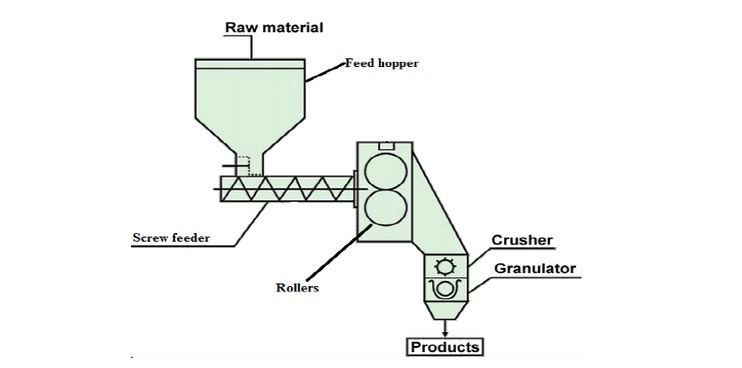
Working principle of double roller extrusion granulator

Double Roller Extrusion Granulator: Technical Specifications

ModelRoller Diameter (mm)Capacity (t/h)Granule Size (mm)Density (g/cm³)Power (kW)
DG-2402401-22-82.5-3.07.5×2
DG-3603602-42-102.5-3.215×2
DG-4504504-63-102.8-3.522×2
DG-5505506-83-122.8-3.530×2
DG-6506508-124-153.0-3.545×2
DG-80080012-184-153.0-3.555×2

* Custom models up to 30 t/h available. Pocket shapes: oval, pillow, round, square, custom logo. Free material testing available.

Standard vs Premium: Which One Fits Your Budget?

FeatureStandard ModelPremium ModelWhy It Matters
Roller Material65Mn steelHigh-chromium alloy / 304/316L StainlessPremium lasts 8-10 years vs 3-5 years
Hydraulic ControlManual adjustmentPLC auto + pressure sensorPremium ensures consistent density
Feeding SystemGravity feedingForced screw pre-compressionPremium handles fine powders better
Granule Density2.0-2.5 g/cm³2.5-3.5 g/cm³Premium = less breakage in transport

💡 Recommendation: Premium pays back in 6-12 months via lower wear parts and less downtime.

Materials for Double Roller Extrusion Granulator (No Binder Needed)

Material TypeDo we need to add adhesive?Dryer Needed?Granule Density
NPK Compound Fertilizer❌ No❌ No2.8-3.5 g/cm³
Organic Fertilizer (fermented)❌ No❌ No2.5-3.0 g/cm³
Bentonite / Clay❌ No❌ No2.8-3.2 g/cm³
Gypsum (natural or synthetic)❌ No❌ No2.5-3.0 g/cm³
Ammonium Sulfate❌ No❌ No2.5-3.0 g/cm³
Bio-organic (with live bacteria)❌ No❌ No2.5-3.0 g/cm³

⚠️ Material moisture should be below 8% (ideal 3-5%) for optimal double roller extrusion granulation.

Double Roller Extrusion Granulator: Global Success Stories

Trusted by fertilizer manufacturers worldwide
NPK Plant: 40% Energy Saving
🇻🇳 Vietnam
NPK Plant: 40% Energy Saving
Replaced wet drum granulator with DG-550 double roller extrusion granulator. Eliminated dryer and binder. ROI in 9 months. Granule hardness increased from 1.8 to 3.2 g/cm³.
NPK Plant: 40% Energy Saving
🇧🇷 Brazil
Organic Fertilizer: No Binder Needed
Premium 304 stainless steel double roller granulator. Bacteria survival 92% (vs 60% in wet process). Processes chicken manure + humic acid.
NPK Plant: 40% Energy Saving
🇮🇳 India
Bentonite: 20% Higher Throughput
DG-450 double roller extrusion granulator runs 20 hours/day. Roller life 8,000+ hours. Customer ordered second unit in 6 months.

Certifications & Compliance

Quality assured for global markets — hassle-free import
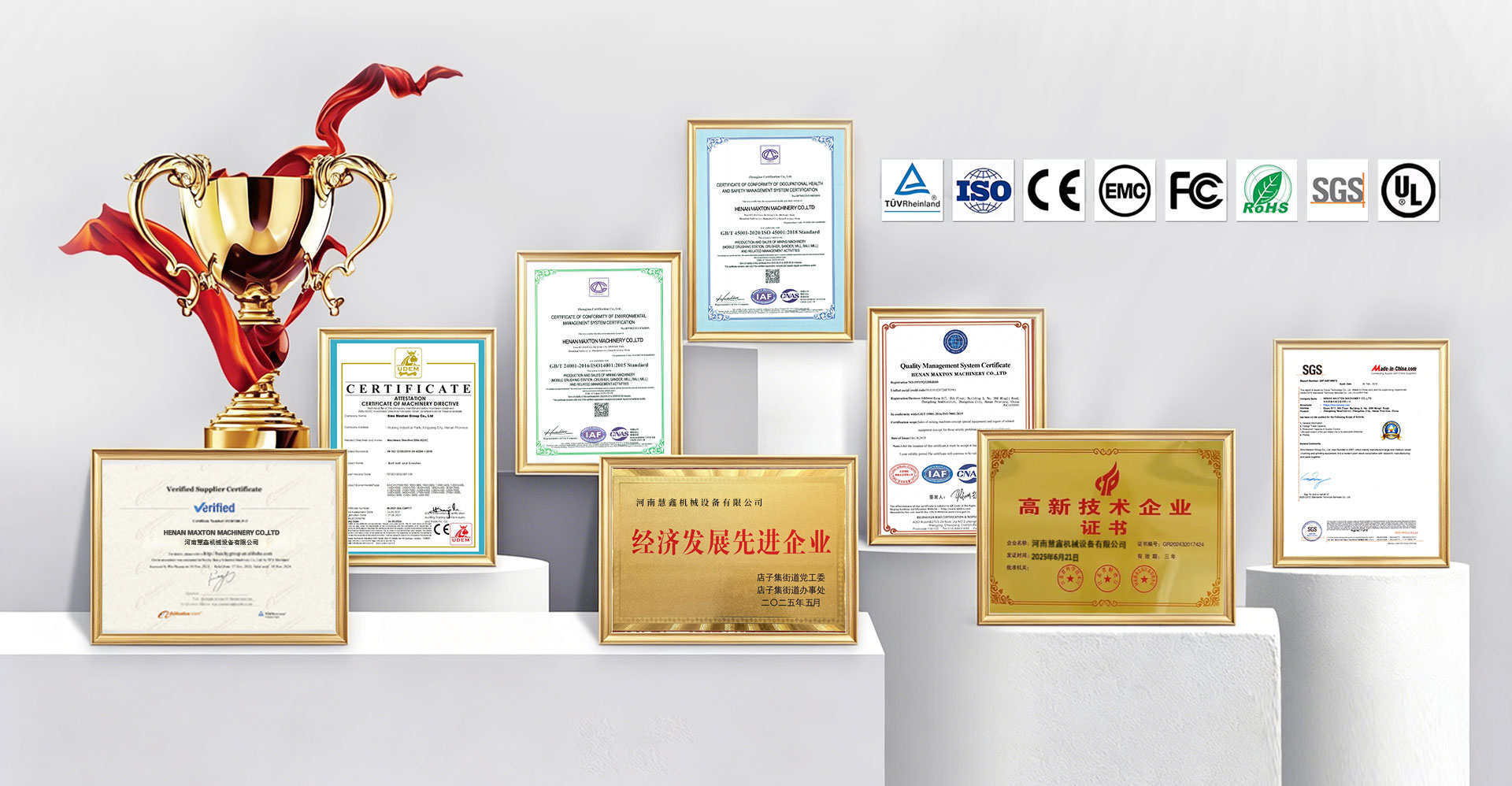
✅ CE Certified
✅ ISO 9001:2015
✅ SGS Approved
✅ TUV Tested
Certification

All Maxton Double Roller Extrusion Granulators comply with international safety and quality standards, ensuring smooth customs clearance worldwide.

Why Choose Maxton Double Roller Extrusion Granulator

No Drying Required

Dry extrusion at room temperature saves energy and reduces equipment costs.

High Density Granules

Density 2.5-3.5 g/cm³ — strong, smooth, less breakage during transport.

No Binder for Most Materials

Natural adhesion works for many fertilizers — lower production cost.

Energy Efficient

Up to 40% less energy consumption compared to wet granulation processes.

Easy Roller Replacement

Quick-change roller shell design reduces downtime.

Ideal for Bio-Organic Fertilizer

No heat damage — preserves beneficial bacteria.

🧪

Free Material Testing for Double Roller Extrusion Granulator

Not sure if your raw material works with our roller press granulator?

Send us a 5kg sample. We will granulate it, record the entire process on video, and return the finished granules to you — absolutely free of charge.

Request Free Test →

Double Roller Extrusion Granulator: Frequently Asked Questions

1.Why does the extrusion roller granulator fail to granulate or have a low granulation rate?
Causes: Abnormal material moisture content or particle size; insufficient binder; excessive impurities; excessive roller gap; insufficient pressure; or misaligned roller recesses. Contact us for a firm double roller granulator price →
Solutions: Adjust material moisture content (organic 12%-15%/inorganic 3%-5%); pulverize to 80-200 mesh; remove impurities and add binder; adjust roller gap to 0.3-0.8mm, pressure to 15-30MPa, and correct roller recesses.
2. Why are the granules weak, brittle, or prone to powdering?
Causes: Insufficient pressure; large roller gap; roller surface wear; insufficient material moisture or binder.
Solutions: Increase pressure to 2-3MPa (strength 20-50N/granule); reduce roller gap to 0.2-0.5mm; repair/replace roller surfaces; fine-tune moisture content by +0.5%-1%; optimize binder ratio.
3. Why are the granules uneven in size, deformed, or have an uneven surface?
Causes: Uneven roller gap, uneven feeding, unilateral roller wear, speed difference >5%, or roller misalignment.
Solutions: Adjust roller gap to parallel (deviation <0.1mm), feed evenly, repair/replace roller surfaces, control speed difference <5%, and correct roller misalignment.
4. Why do rollers stick, fail to release balls, or clog the die?
Causes: Excessive moisture content, high material viscosity, rough new roller surface, insufficient pressure, or roller misalignment.
Solutions: Reduce moisture content to standard, polish new rollers, increase compression gap, correct roller misalignment, and apply a 0.5-1mm textured finish to the roller surface.
5. Why does the extrusion roller granulator jam, have difficulty rotating, or experience motor overload?
Causes: Hard objects mixed in, insufficient roller gap, material agglomeration, damaged bearings, poor lubrication, or transmission failure.
Solutions: Stop the machine, clean impurities, install a magnetic separator, adjust the gap to 0.3-0.5mm, replace bearings, add lubricant, and repair transmission components.
6. Why does the extrusion roller granulator vibrate violently or make excessive noise?
Causes: Loose foundation, uneven foundation, damaged bearings, poor gear meshing, unbalanced rollers, or uneven feeding.
Solutions: Tighten foundation, level the foundation, replace bearings, adjust gears, dynamically balance rollers, and ensure even feeding.
7. Why do bearings overheat (temperature > 70℃)?
Causes: Abnormal grease, worn bearings, improper clearance, or excessive load.
Solutions: Clean old grease, add high-temperature resistant grease, replace bearings, adjust clearance, and reduce load.
8. Why do the rollers and dies wear out quickly and have a short lifespan?
Causes: Incompatible materials, excessive pressure, hard impurities in the material, unilateral wear, or failure to clean in a timely manner.
Solutions: Select rollers according to the material, control pressure < 30MPa, remove impurities, ensure even feeding, and clean and polish regularly.
9. What are the optimal moisture, pressure, and clearance parameters for different materials?
Organic fertilizer/livestock manure: 12%-15% moisture, 15-20MPa pressure, 0.5-0.8mm gap; Compound fertilizer/inorganic salts: 3%-5% moisture, 20-30MPa pressure, 0.3-0.6mm gap; Feed/food: 8%-12% moisture, 12-18MPa pressure, 0.4-0.7mm gap; Mineral powder/building materials: 2%-4% moisture, 25-35MPa pressure, 0.3-0.5mm gap.
10. How to correctly adjust the roller gap of an extrusion roller granulator?
Stop the machine → Remove the passive shaft cover → Rotate the eccentric sleeve to adjust the gap by 0.3-1mm (without touching the roller) → Tighten → Start the machine for trial production → Fine adjustment.
11. How to quickly break in new rollers/new molds?
Grind fine sand and waste material for 30-60 minutes, gradually increase the pressure, run at low load for 2-4 hours, clean, and then begin formal production.
12. What are the key points for stopping and maintaining an extrusion roller granulator?
Stop feeding 10-15 minutes in advance → Discharge residual material under no-load for 5-10 minutes → Turn off the power and hang a warning sign; Clean the roller surface and mold, add grease, and check for wear and tighten fasteners.

Get Your Double Roller Extrusion Granulator Quote in 24 Hours

Tell us your material, target capacity, and preferred granule shape — we will reply with technical solution & best price.

📞 Call +86-18237180035
✉️ svip@maxtonorg.com
💬 WhatsApp: +86-18237180035