SINO MAXTON GROUP Co.,Ltd
News Details
Cat Litter Manufacturing Plant: Bentonite, Tofu & Wood Equipment Guide
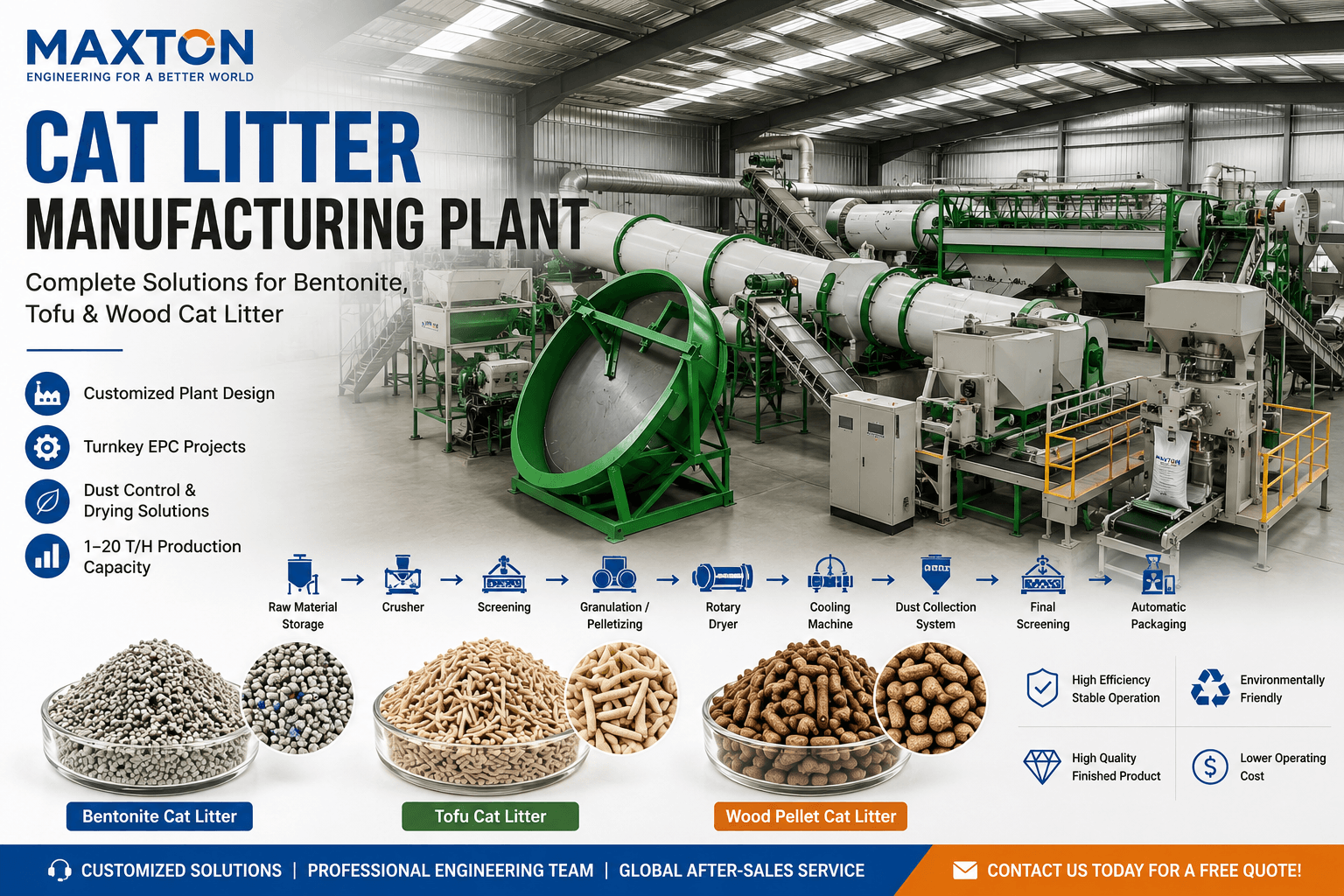
Cat Litter Manufacturing Plant: Complete Manufacturing Solutions for Bentonite, Tofu, and Wood Cat Litter
Build a Profitable Cat Litter Manufacturing Plant with the Right Equipment
The global pet care industry is expanding rapidly, creating strong demand for high-quality cat litter products. From traditional bentonite cat litter to eco-friendly tofu and wood pellet cat litter, manufacturers are investing in advanced production technologies to improve product quality, reduce operating costs, and meet growing market demand.
However, not all cat litter products are manufactured using the same process.
One of the most common mistakes made by new investors is selecting granulation equipment without considering the characteristics of the raw material. Different cat litter materials require different pelletizing technologies, drying systems, and dust control solutions.
At MAXTON, we provide customized cat litter production lines designed around your raw materials, production capacity, product specifications, and local market requirements. Whether you are producing bentonite, tofu, or wood pellet cat litter, our engineering team can deliver a complete turnkey solution.
Understanding Different Types of Cat Litter
Before selecting equipment, it is important to understand the physical properties of each cat litter material.
Bentonite Cat Litter
Bentonite cat litter remains one of the most popular products worldwide due to its superior clumping performance and moisture absorption capacity.
The main production challenges include:
- Excessive dust generation
- Inconsistent particle size
- Weak granule strength
- Product loss during screening
To achieve a high-quality product, manufacturers require a granulation process capable of producing uniform granules while minimizing dust.
Tofu Cat Litter
Tofu cat litter is produced from soybean fiber, pea fiber, starch, and other biodegradable ingredients.
As environmentally friendly cat litter becomes increasingly popular, tofu litter manufacturers must address several technical challenges:
- High moisture content
- Risk of mold growth
- Fragile pellets
- Drying efficiency
These factors make precise moisture control and extrusion technology essential.
Wood Pellet Cat Litter
Wood cat litter is typically manufactured from sawdust, wood shavings, forestry residues, or other biomass materials.
Unlike mineral-based cat litter, wood fibers require high-pressure pelletizing technology to activate natural lignin binding.
Production challenges include:
- Pellet durability
- Density control
- Transportation resistance
- Consistent absorption performance
For this reason, wood cat litter production requires specialized pellet mills rather than conventional granulators.
Material-to-Equipment Matching: Choosing the Right Technology
The best cat litter production line begins with selecting the correct equipment for the raw material.
| Cat Litter Material | Recommended Equipment | Why It Works |
|---|---|---|
| Bentonite Cat Litter | Disc Granulator or Double Roller Granulator | Produces uniform granules with excellent clumping performance |
| Tofu Cat Litter | Extrusion Granulator | Handles high-moisture organic materials and creates strong pellets |
| Wood Cat Litter | Ring Die Pellet Mill or Flat Die Pellet Mill | High-pressure pelletizing activates natural lignin binding |
| Mixed Formula Cat Litter | Customized Multi-Process System | Combines different technologies for optimal performance |
This material-to-equipment matching approach ensures maximum production efficiency and consistent product quality.
Bentonite Cat Litter Production Line
Typical Process Flow
Raw Material Storage
↓
Crushing
↓
Screening
↓
Disc Granulation or Double Roller Granulation
↓
Rotary Drying
↓
Cooling
↓
Dust Collection
↓
Final Screening
↓
Automatic Packaging
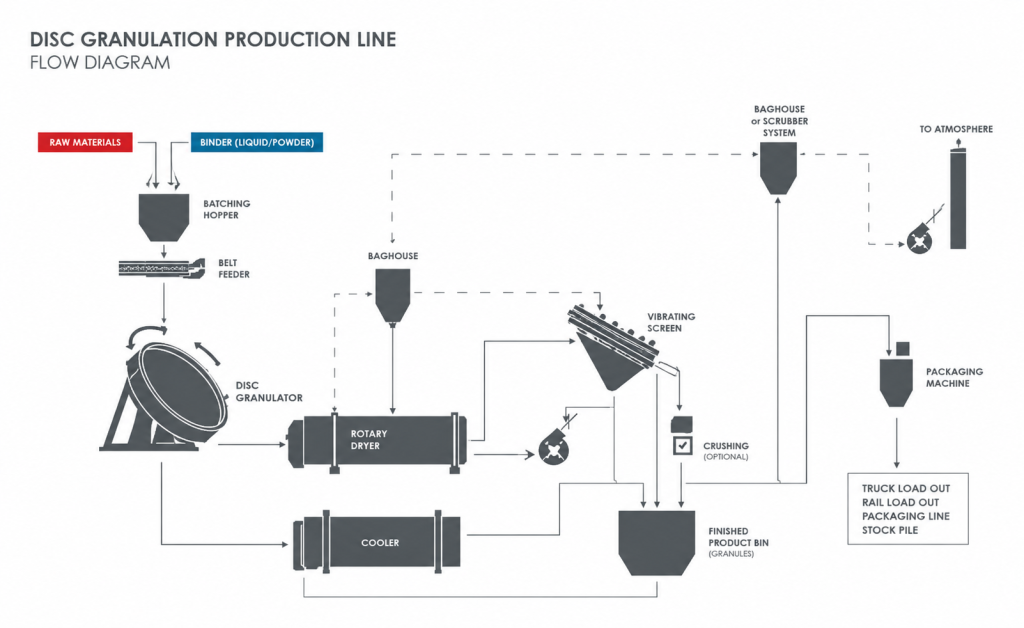
Industry Pain Point: Dust Control
Dust is one of the biggest complaints from distributors, retailers, and end users.
Excessive dust can lead to:
- Reduced customer satisfaction
- Product rejection
- Poor packaging appearance
- Material loss during production
MAXTON Solution
MAXTON integrates:
- High-efficiency dust collectors
- Cyclone separation systems
- Negative pressure ventilation
- Optimized granulation parameters
These technologies significantly reduce airborne dust while improving product consistency.
Tofu Cat Litter Production Line
Typical Process Flow
Raw Material Mixing
↓
Moisture Conditioning
↓
Extrusion Granulation
↓
Low-Temperature Drying
↓
Cooling
↓
Screening
↓
Packaging
Industry Pain Point: Mold and Pellet Breakage
Because tofu cat litter contains organic ingredients, improper drying can result in:
- Mold growth
- Product spoilage
- Short shelf life
- High transportation losses
MAXTON Solution
MAXTON utilizes:
- Precision moisture control systems
- Rotary drying technology
- Optional microwave drying systems
- Advanced extrusion pressure control
This process produces stronger pellets with lower moisture content and improved storage stability.
Wood Cat Litter Pellet Production Line
Typical Process Flow
Wood Crushing
↓
Drying
↓
Material Conditioning
↓
Ring Die Pelletizing
↓
Cooling
↓
Screening
↓
Packaging
Industry Pain Point: Weak Pellets
Many wood cat litter manufacturers experience pellet breakage during transportation and storage.
Low-density pellets can generate excessive fines and reduce product value.
MAXTON Solution
MAXTON wood pellet cat litter systems feature:
- Heavy-duty ring die pellet mills
- Optimized compression ratios
- Efficient cooling systems
- Automated screening equipment
The result is durable pellets with excellent absorption performance and reduced breakage rates.
Can One Production Line Produce Different Types of Cat Litter?
This is one of the most frequently asked questions from investors.
The answer depends on the raw materials involved.
Because bentonite, tofu, and wood cat litter require different granulation mechanisms and drying conditions, a standard production line is usually optimized for a specific product type.
However, MAXTON can design modular production systems that allow manufacturers to switch between different product categories with minimal equipment modifications.
This approach provides greater flexibility while reducing capital investment.
How Much Does a Cat Litter Production Line Cost?
The investment required for a cat litter manufacturing plant depends on several factors:
- Production capacity
- Raw material type
- Degree of automation
- Drying requirements
- Dust collection configuration
- Packaging system specifications
Small-scale projects typically begin with capacities of 1–3 tons per hour, while industrial plants may exceed 10 tons per hour.
To receive an accurate proposal, manufacturers should provide:
- Raw material details
- Desired production capacity
- Finished product specifications
- Available energy sources
- Plant layout information
Why Choose MAXTON?
MAXTON specializes in granulation, pelletizing, drying, and bulk material processing technologies.
We provide complete services, including:
- Process engineering
- Equipment manufacturing
- Production line design
- Installation supervision
- Commissioning support
- Operator training
- Long-term technical assistance
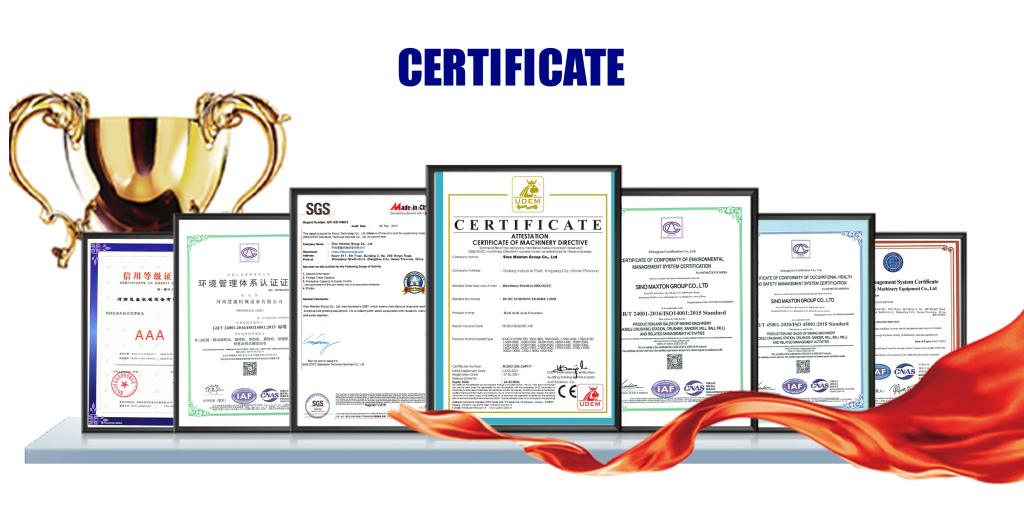
Every cat litter production line is customized according to customer requirements to ensure optimal performance and profitability.
Our goal is not simply to supply machinery but to help customers build successful and sustainable cat litter manufacturing businesses.
Frequently Asked Questions
What is the best machine for producing bentonite cat litter?
Disc granulators and double roller granulators are the most commonly used machines because they produce uniform particles with excellent clumping performance.
Why does tofu cat litter require drying?
Drying reduces moisture content, prevents mold growth, increases pellet strength, and extends shelf life.
What equipment is used for wood cat litter?
Wood cat litter is typically produced using ring die pellet mills or flat die pellet mills, which provide the high pressure required to bind wood fibers.
Can one production line manufacture bentonite and tofu cat litter?
Yes, but a customized modular system is usually required because the two materials require different granulation technologies.
How can dust be reduced during bentonite cat litter production?
Dust can be minimized through proper granulation, high-efficiency dust collection systems, cyclone separators, and optimized screening equipment.
Does MAXTON provide turnkey cat litter production plants?
Yes. MAXTON provides complete turnkey solutions, including process design, equipment manufacturing, installation guidance, commissioning, and after-sales technical support.
Request a Customized Cat Litter Production Solution
Whether you plan to manufacture bentonite cat litter, tofu cat litter, or wood pellet cat litter, MAXTON can provide a customized production line designed to maximize product quality, production efficiency, and investment returns.
Contact our engineering team today to discuss your project requirements and receive a tailored cat litter manufacturing solution.
Email: svip@maxtonorg.com
Website: MAXTON Fertilizer Equipment Solutions
Whatsapp:+86-18237180035
Related Posts
9 月 15, 2026
Fertilizer Plant Cost in 2026: Real Budget Ranges for Organic, Liquid, and NPK Production
Quick answer: A small organic fertilizer plant can start under $50,000. A commercial granular fertil...
8 月 24, 2026
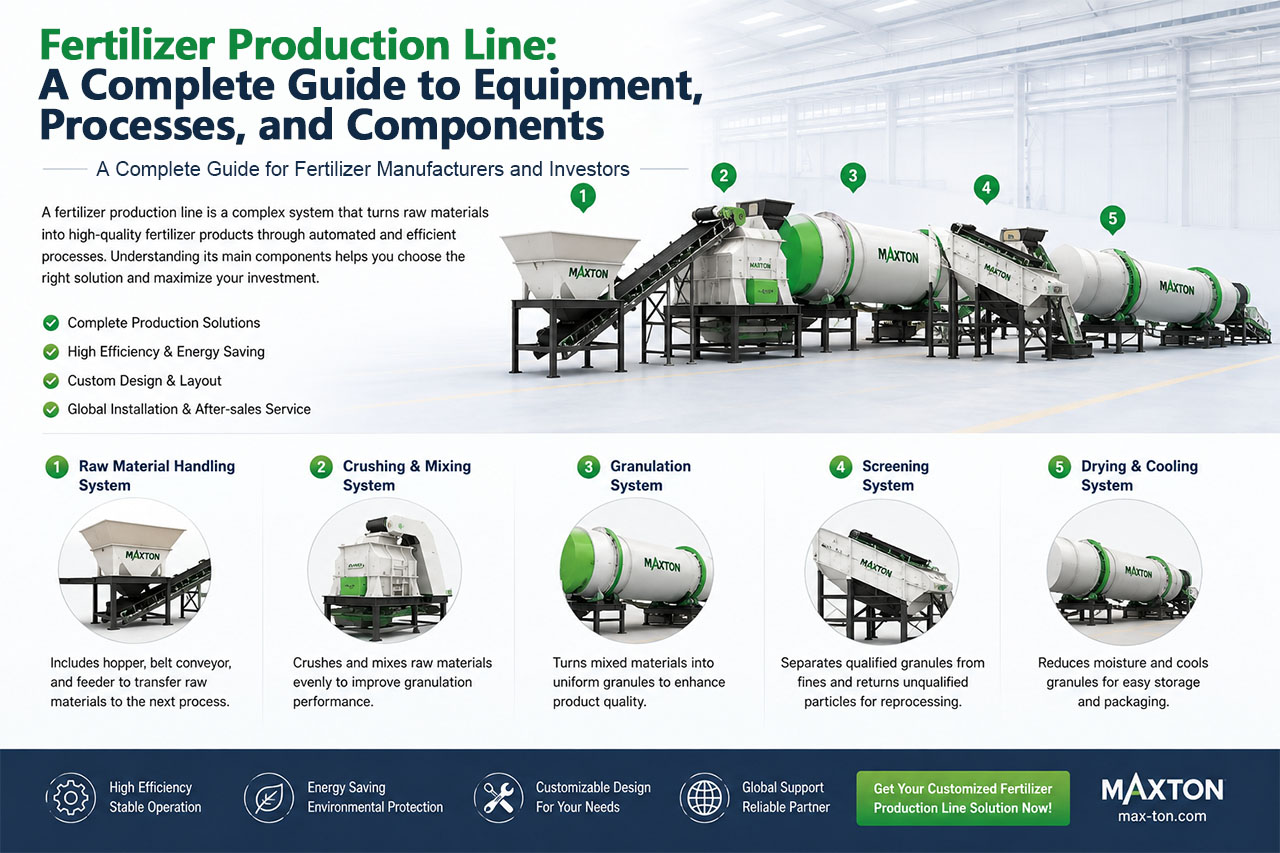
Fertilizer Production Line: A Complete Guide to Equipment, Processes, and Components
What Are the Main Components of a Fertilizer Production Line? A complete fertilizer production line ...
Give us a call or Simply Complete the Form
Address:Zhengzhou City, Henan Province, ChinaPhone:+86-18237180035Email:svip@maxtonorg.com