SINO MAXTON GROUP Co.,Ltd
News Details
Fertilizer Plant Cost in 2026: Real Budget Ranges for Organic, Liquid, and NPK Production
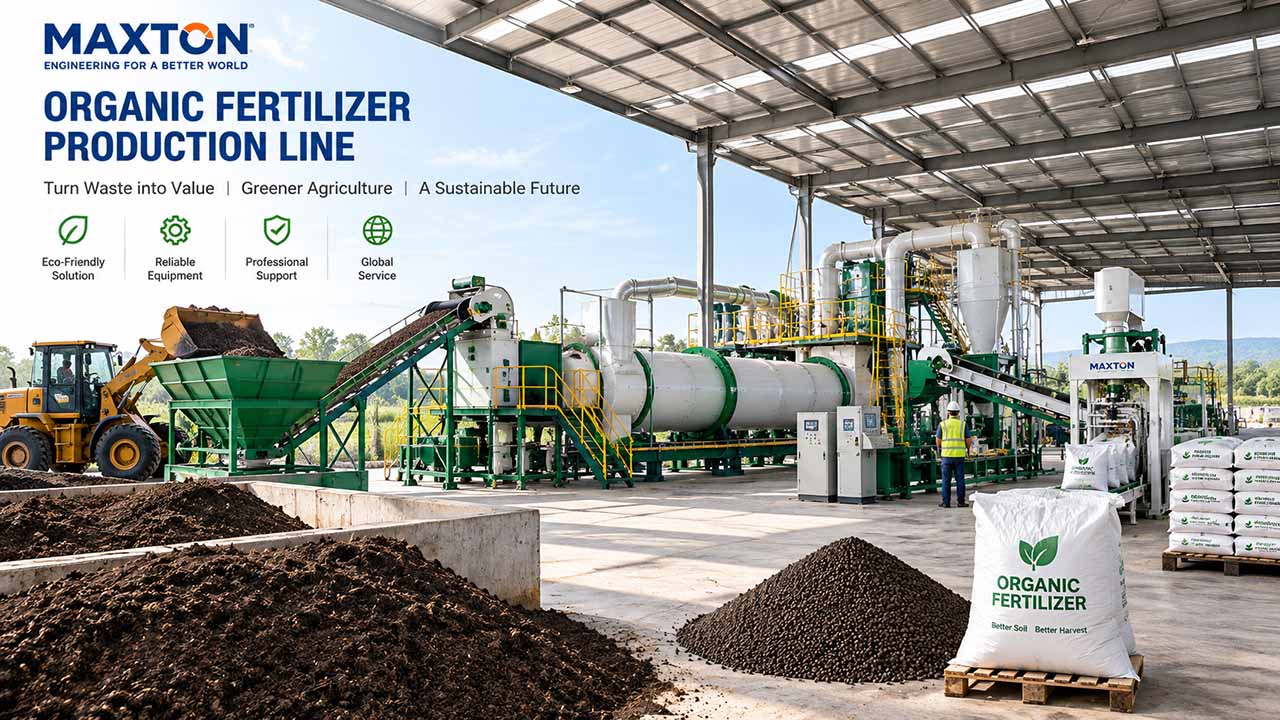
Quick answer: A small organic fertilizer plant can start under $50,000. A commercial granular fertilizer production line usually costs $150,000–$550,000, depending on output. Liquid fertilizer projects often require $100,000–$500,000. NPK bulk blending starts at $30,000–$200,000, while an advanced 18 t/h compound fertilizer production line can reach about $400,000. A full industrial fertilizer project often exceeds $1 million once land, utilities, compliance, working capital, and contingency are included.
These figures are planning benchmarks, not fixed quotes. Fertilizer plant costs change with capacity, automation, local regulations, energy prices, raw material access, and whether you build, lease, or retrofit a site.
Cost snapshot by fertilizer plant type
| Plant type | Typical scale | Planning cost range | Main cost drivers |
|---|---|---|---|
| Organic powder line | Up to 20,000 t/year | Under $50,000 | Crusher, turner, basic site works |
| Organic granule line | 5–10 t/h | $150,000–$350,000 | Conveyors, crusher, granulator, dryer |
| Organic granule line | 10–20 t/h | $350,000–$550,000 | Higher capacity, automation, drying |
| Liquid fertilizer plant | Small to medium | $100,000–$500,000 | Mixing, tanks, piping, storage |
| NPK bulk blending | Basic | $30,000–$200,000 | Blender, feeders, weighing |
| NPK compound line | Around 18 t/h | About $400,000 | Granulation, coating, automation |
| Industrial multi-line project | Large | $1,000,000+ | Equipment, buildings, permits, working capital |
1. Organic fertilizer plant cost
Organic fertilizer production is often the lowest-barrier entry point because it uses manure, compost, crop residues, and other natural feedstocks.
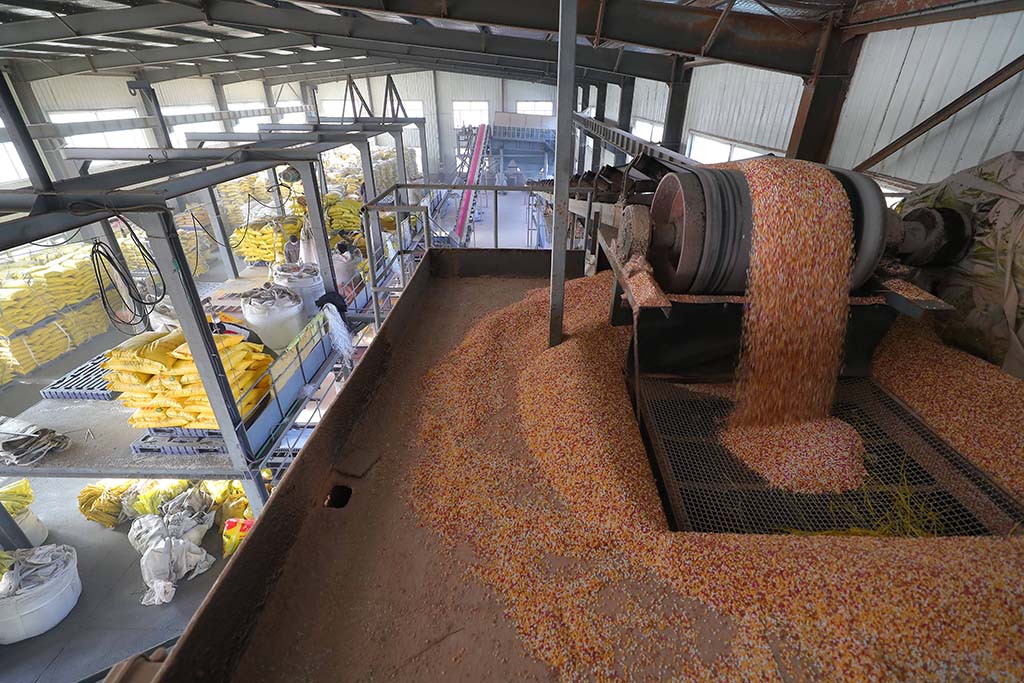
A small powder organic plant can be launched for less than $50,000. At this level, the equipment list is simple: a grinder, a compost turner, and basic handling equipment. This model suits local farms, cooperatives, and niche agricultural suppliers.
For granular organic fertilizer, costs rise quickly:
-
5–10 t/h: $150,000–$350,000
-
10–20 t/h: $350,000–$550,000
A complete granular line normally includes conveyors, crushers, mixers, fertilizer granulators, dryers, coolers, screens, and packaging equipment. The dryer and fertilizer granulator are usually the most expensive sections.
2. Liquid fertilizer plant cost
Liquid fertilizer production depends less on heavy granulation equipment and more on mixing, storage, and fluid handling.
A liquid fertilizer project typically starts at $100,000–$500,000. The production equipment itself may cost $50,000–$300,000, depending on capacity and automation. Tanks, pumps, pipes, valves, and containment systems add to the cost.
Liquid plants are attractive for regional distribution because they can serve nearby farms with lower logistics costs. However, corrosion-resistant materials, spill containment, and safe storage can raise the final budget.
3. NPK fertilizer plant cost
NPK fertilizer production covers a wide investment range.
A basic bulk blending unit requires $30,000–$200,000. This is a practical entry point for local blending and custom nutrient mixes.
A more advanced compound NPK line with roughly 18 t/h capacity can cost close to $400,000. This type of line needs better dosing accuracy, granulation, drying, cooling, coating, and quality control.
For large projects, the total investment can move beyond equipment cost very quickly. Land, buildings, utilities, environmental controls, and working capital can push an NPK project into the $1 million+ range.
Where the money actually goes
Equipment and production line: 40–60% of CAPEX
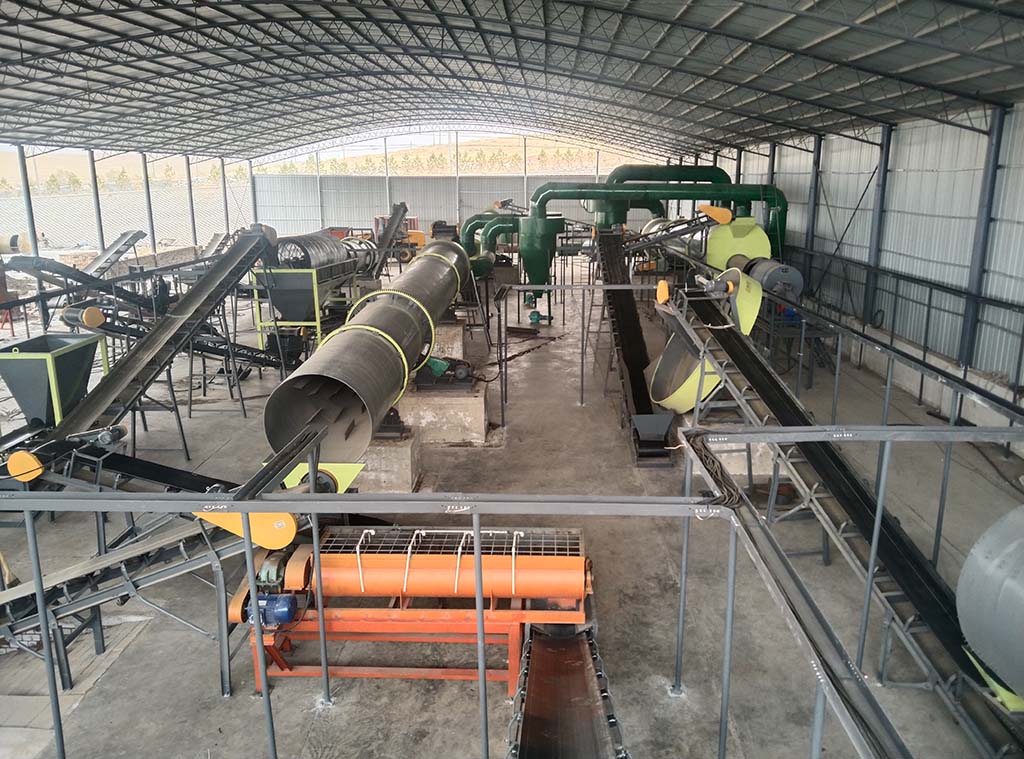
Machinery is usually the largest capital expense. Individual machines can range from $15,000 to $200,000 each. A complete 20 t/h organic fertilizer line may require around $550,000 in equipment alone.
Turnkey systems for high-capacity granulation can exceed $500,000 before site infrastructure and compliance costs are added.
Land and buildings
Land costs vary dramatically by location. A lease may start around $1,000 per year, while purchasing industrial land can reach $250,000 or more.
Construction and site preparation usually add $20,000–$100,000. The final figure depends on foundation requirements, zoning approvals, utility connections, warehouse space, office areas, and waste handling zones.
Labor and raw materials
A medium-sized fertilizer plant may employ 15–30 people, with annual payroll reaching up to $300,000. Operators, technicians, maintenance staff, quality controllers, and administrative employees are key roles.
Raw material costs are volatile. Sourcing minerals, organic feedstock, or industrial compounds locally can reduce transport costs by 15–30%, but quality and moisture content must be controlled.
Compliance and environmental systems
Environmental permits, waste treatment, dust control, wastewater management, and certification can add $50,000 or more. In some regions, compliance is a larger budget item than the production equipment itself.
Ongoing operating costs
Initial construction is only part of the investment. Fertilizer production also carries recurring costs:
-
Energy: Steam, electricity, and fuel can represent about 30% of monthly variable costs.
-
Raw materials: Prices fluctuate with market conditions, seasonality, and logistics.
-
Maintenance: Preventive maintenance reduces downtime and extends equipment life.
-
Labor: Payroll is a fixed monthly cost that can be optimized through training and retention.
-
Distribution: Packaging, storage, and freight affect final margins.
Regional cost differences
Fertilizer plant costs are highly location-sensitive. The same production line can have very different total project costs in different countries.
| Region | Example scenario | Reported cost range |
|---|---|---|
| Vietnam | 20 t/h NPK blending plant | About $1.2 million including construction, equipment, and early operations |
| United States | Mid-sized liquid fertilizer expansion | Equipment alone over $2.5 million |
| India | 3 t/h small granular organic line using refurbished equipment and leased rural land | About $175,000 |
Local factors include land prices, labor rates, import duties, power reliability, environmental rules, and distance to raw materials and customers. For search and content strategy, region-specific pages such as “fertilizer plant cost in Vietnam” or “organic fertilizer production line cost in India” can capture high-intent local queries.
What changes the budget most?
-
Production capacity
Annual output above 50,000 tons can create economies of scale, but larger equipment raises upfront capital. -
Automation level
Advanced automation can improve efficiency, but it may increase startup investment by 20–40%. -
Regulatory compliance
Environmental systems, permits, and certifications can add $50,000+ depending on the region. -
Feedstock and logistics
Local raw materials reduce transport costs, but inconsistent quality can increase processing costs. -
Build vs. lease vs. retrofit
Leasing rural land and using refurbished equipment can cut entry costs. Building a new industrial facility increases control but also capital risk.
How to build a realistic fertilizer plant budget
-
Define your product: powder, granule, liquid, bulk blend, or compound NPK.
-
Choose a target capacity in tons per hour and tons per year.
-
Get written quotes for the core production line.
-
Add site preparation, buildings, utilities, and storage.
-
Add environmental compliance and waste treatment.
-
Add working capital for raw materials, payroll, energy, and maintenance.
-
Add a contingency buffer for currency changes, delays, and price swings.
-
Validate local costs with regional suppliers, contractors, and regulators.
FAQ
Can I start a fertilizer plant for under $50,000?
Yes. A small organic powder fertilizer operation can start under $50,000 using basic equipment such as a crusher and compost turner. It is best suited to local or niche markets.
How much does a 20 t/h organic fertilizer line cost?
A complete 20 t/h organic fertilizer production line may require around $550,000 in equipment. The total project cost will be higher after land, buildings, utilities, compliance, and working capital.
Is NPK fertilizer production cheaper than organic fertilizer production?
It depends on scale. Basic NPK bulk blending can start at $30,000–$200,000. Organic powder production can start even lower. However, advanced NPK compound lines and large organic granulation lines both require significant capital.
What is the highest cost in a fertilizer plant?
Equipment and production lines usually account for 40–60% of total capital expenditure. For large projects, land, compliance, and working capital can also become major cost centers.
Why do fertilizer plant costs vary by country?
Land prices, labor rates, energy costs, import duties, environmental regulations, and logistics all differ by region. A project in Vietnam, the United States, India, or the EU will not have the same cost structure.
How can I reduce fertilizer plant startup costs?
Common strategies include leasing land instead of buying, sourcing raw materials locally, using refurbished equipment where appropriate, phasing automation, and starting with a smaller minimum viable production line.
Key takeaways
-
Small organic fertilizer plants can start under $50,000.
-
Commercial granular organic lines range from $150,000 to $550,000.
-
Liquid fertilizer plants typically cost $100,000–$500,000.
-
NPK bulk blending starts at $30,000–$200,000; advanced compound lines can reach $400,000.
-
Full industrial fertilizer projects often exceed $1 million when you include all costs.
-
Equipment represents 40–60% of CAPEX, but compliance, energy, labor, and working capital determine long-term viability.
Related Posts
9 月 15, 2026
Fertilizer Plant Cost in 2026: Real Budget Ranges for Organic, Liquid, and NPK Production
Quick answer: A small organic fertilizer plant can start under $50,000. A commercial granular fertil...
8 月 24, 2026
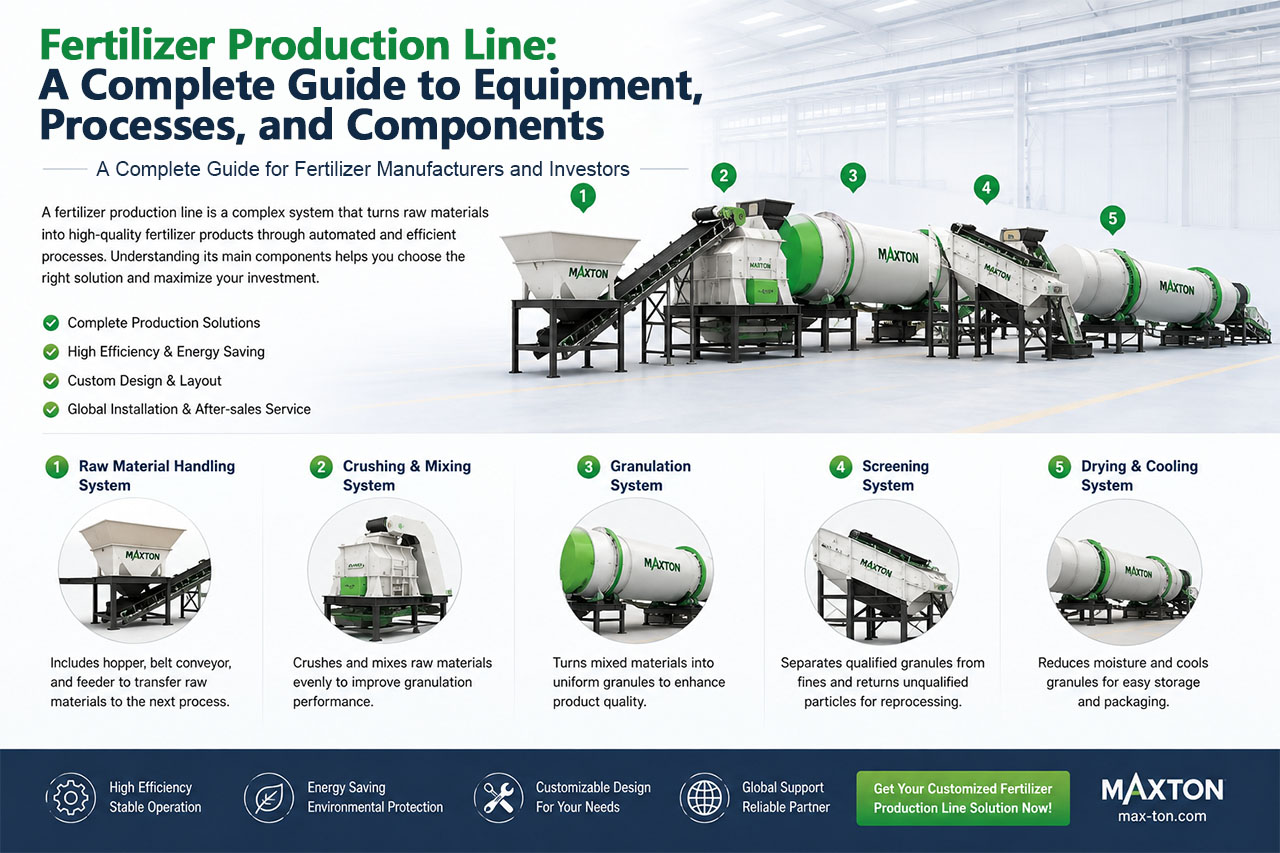
Fertilizer Production Line: A Complete Guide to Equipment, Processes, and Components
What Are the Main Components of a Fertilizer Production Line? A complete fertilizer production line ...
Give us a call or Simply Complete the Form
Address:Zhengzhou City, Henan Province, ChinaPhone:+86-18237180035Email:svip@maxtonorg.com