SINO MAXTON GROUP Co.,Ltd
News Details
Maxton: Fertilizer Equipment Manufacturer – Your Process + Lab Partner, Not Just a Machine Supplier
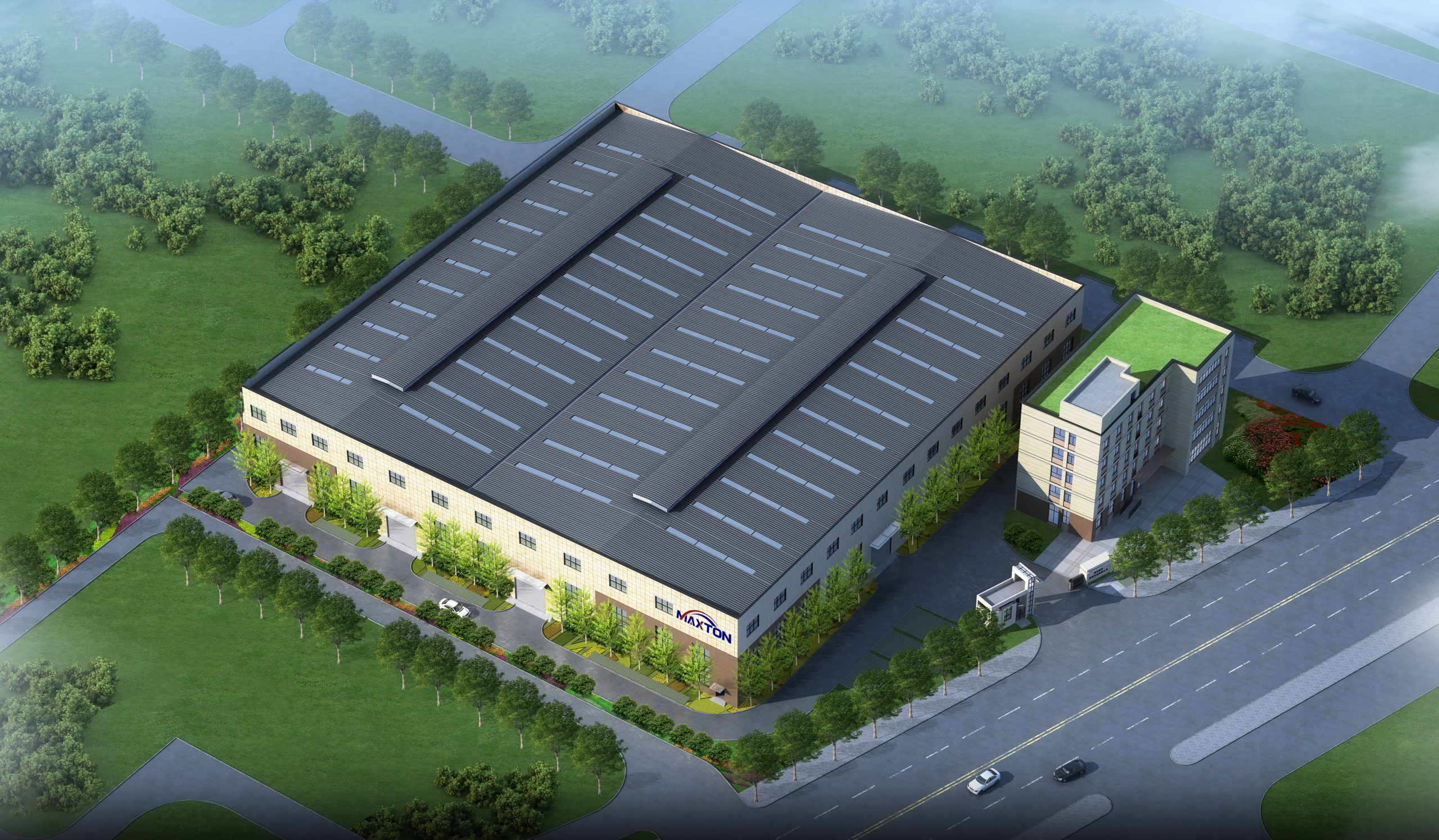
One sentence to know Maxton
Maxton is a fertilizer equipment manufacturer that provides reliable machinery.
But more importantly, this fertilizer equipment manufacturer provides reliable fertilizer process design and lab testing.
This difference is the fundamental distinction between Maxton as a fertilizer equipment manufacturer and ordinary equipment suppliers.
Why “Process Design + Lab Testing” Matters More Than Equipment Alone
Many fertilizer projects fail. But the failure is not because of equipment quality. The real reasons are:
-
Poor process design → Equipment runs, but granules never form properly
-
No lab testing → Works in the lab, fails at industrial scale
-
Formula changes → Entire line shuts down for reconfiguration
Equipment determines whether a fertilizer plant can move.
Process determines whether it can make money consistently.
The Two Leaders Behind Maxton
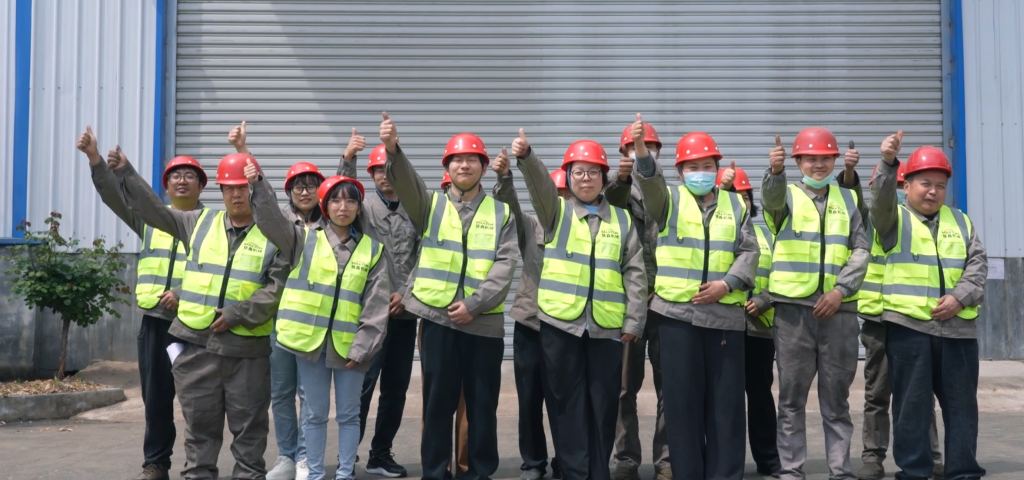
Professor Yang – Equipment Manufacturing + Process Design (30 years experience)
-
30 years in fertilizer equipment manufacturing
-
Specializes in organic, inorganic, compound fertilizer, and manure production lines
-
Expertise in organic fertilizer harmless treatment equipment and inorganic fertilizer energy-saving custom designs
-
Has delivered solutions for Southeast Asia, Africa, the Middle East, and South America
-
Key projects:
-
Southeast Asia: 50,000-ton organic fertilizer line (manure/straw feedstock) – solved high-temperature, high-humidity equipment corrosion
-
Brazil: Granule fertilizer line adapted to local voltage standards
-
-
Also designs bentonite cat litter equipment for cross-border deployment
Professor Shen – Process Design (20 years of experience)
-
20 years of fertilizer plant formulation and process experience
-
Specializes in the inorganic and compound fertilizer granulation process selection
-
Expertise in solving difficult medium-trace element fertilizer granulation problems
-
Key projects:
-
China: High-nitrogen compound fertilizer process upgrade – pellet rate increased from 75% to 92%
-
Russia: 100,000-ton per year potash and ammonium sulfate fertilizer line – full EPC delivery with smooth process and low cost
-
Plus 20 Years of OEM EPC Experience
Through 20 years of OEM manufacturing, Maxton has accumulated extensive EPC project experience. We know every pitfall in fertilizer line design, equipment manufacturing, and commissioning. We deliver international fertilizer line projects efficiently.
Part 1: What Does Reliable Fertilizer Process Design Include?
Maxton’s fertilizer process design is not theoretical. It is built on 20 years of field data and EPC experience, combined with both professors’ expertise across organic, inorganic, and compound fertilizer lines.
We provide customized full-process fertilizer process design and equipment solutions for different production scales.
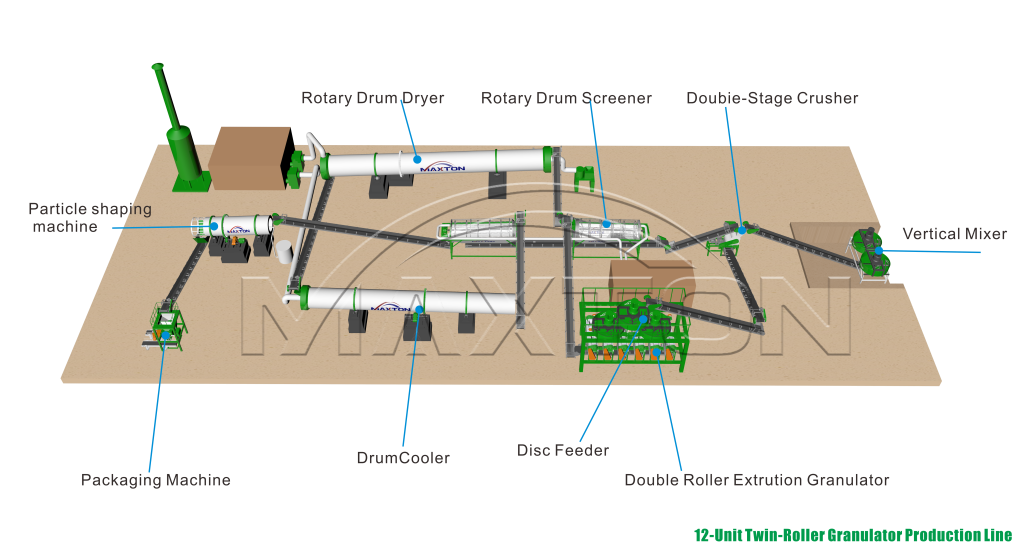
1. Raw Material Analysis & Process Path Selection
-
Test the moisture, fineness, viscosity, pH, and salinity of raw materials
-
Determine the best fit: drum granulation, pan granulation, roll extrusion, spray granulation, or tower granulation
-
Avoid wrong process selection that leads to complete line failure
2. Formulation & Granulation Parameter Matching
-
Determine binder type (bentonite, lignin, inorganic salts, etc.) and optimal addition rate
-
Set granulator speed, angle, and material retention time
-
Solve low pellet rate, poor particle strength, and high return material ratio
3. Drying-Cooling System Heat Balance Design
-
Calculate hot air temperature, air volume, drum length, and lifter type
-
Prevent cylinder sticking, uneven drying, and material carryover in exhaust
-
Reduce energy consumption per ton of fertilizer by 10–30%
4. Screening & Return Material System Optimization
-
Design appropriate screen combinations and return material ratios
-
Prevent system overload from excessive returns
-
Achieve stable closed-loop continuous production
5. Exhaust Treatment & Environmental Compliance
-
Design dust collection, scrubbing, and deodorization solutions based on local emission standards
-
Proven combination: cyclone + spray tower + wet electrostatic precipitator
-
Pass the environmental assessment on the first attempt
6. Full-Plant EPC-Level Integration Design
-
Equipment layout, piping, electrical control, and operating platforms
-
Avoid the nightmare: “Equipment arrived but doesn’t fit, connect, or allow maintenance.”
-
True turnkey delivery
Part 2: Reliable Lab Testing – No More “Guesswork” in Your Fertilizer Project
Maxton insists on: Test First → Design Second → Manufacture Third
This eliminates trial-and-error risk in fertilizer line investment and ensures production meets specifications immediately after commissioning.
Fertilizer Lab Testing Services We Provide
| Testing Service | Problem Solved |
|---|---|
| Small-scale formulation validation | Is the formula feasible? Is cost controllable? |
| Granulation feasibility test | Can this material form granules? What binder is needed? |
| Drying curve test | Optimal drying temperature and time – prevent burning or wet material |
| Screening & return simulation | Determine a reasonable return material ratio |
| Process comparison | Drum vs pan vs extrusion – which works best for you? |
Lab Testing Process (Simple)
-
Customer sends raw material sample (1–5 kg is sufficient)
-
Maxton process team (both professors leading) conducts lab testing
-
Deliver: Test report + Process recommendation + Equipment selection list
-
Customer approves → Detailed process design + equipment manufacturing
Benefits of This Approach
-
Scale-up risk reduced by over 80%
-
Avoid equipment that cannot be installed, cannot run, or cannot produce proper granules
-
Investment return becomes predictable
https://yourdomain.com/images/fertilizer-lab-testing.jpg
Figure 1: Fertilizer process design and lab testing at Maxton – test first, then build.
Why Can Maxton Deliver Equipment, Process, and Lab Testing All Together?
| Capability | Source | Actual Value |
|---|---|---|
| Equipment manufacturing | Professor Yang’s 30 years + 20 years OEM quality control | Reliable, high-precision, low-failure equipment |
| Process design | Professor Shen’s 20 years of fertilizer plant experience + multiple EPC projects | Smooth process, low energy consumption, flexible formula changes |
| Lab testing | Dual-professor team + lab conditions | Smooth pilot-to-production transition |
| EPC turnkey delivery | 20 years of OEM field experience | Design, procurement, installation, commissioning – one stop |
Which Customers Are the Best Fit for Maxton?
-
✅ New fertilizer plant – want first-run success
-
✅ Existing line with low capacity, poor quality, high energy consumption – needs upgrade
-
✅ New formulation – existing line process does not match
-
✅ Full-plant EPC turnkey – worried that ordinary equipment suppliers lack experience
-
✅ Want low-cost lab testing first – then decide investment direction
Frequently Asked Questions (FAQ)
Q1: Is Maxton’s experience reliable?
A: Yes. Our two leaders have over 50 years of combined industry experience. Professor Yang has 30 years of experience in fertilizer equipment manufacturing. Professor Shen has 20 years of experience in fertilizer plant formulation and process design. During 20 years of OEM work, we completed multiple EPC projects for clients. The team is experienced – only the company brand is new.
Q2: Is fertilizer process design really that important? Can’t I just buy from any equipment supplier?
A: Most equipment suppliers only sell machines – they do not guarantee process. Many customers buy equipment and then discover poor granulation, uneven drying, and mountains of return material. Maxton’s fertilizer process design calculates everything from raw material analysis to heat balance to return optimization – ensuring first-run success.
Q3: Is lab testing free? What if I don’t buy equipment afterward?
A: Basic lab testing requires a small service fee to cover materials and labor. If you decide not to purchase equipment after testing, we still provide the complete test report and process recommendations. This small fee helps you avoid much larger investment mistakes – it is excellent value.
Q4: What information do I need to start lab testing or process design?
A: At minimum, provide:
-
Raw material types and approximate ratios
-
Target product (compound fertilizer, organic fertilizer, water-soluble fertilizer, etc.)
-
Expected capacity (tons/hour or tons/year)
-
Local environmental requirements (if any)
We will confirm whether testing is possible within 24 hours.
Q5: How long does Maxton’s EPC turnkey delivery take?
A: Depends on fertilizer line scale:
-
10,000–30,000 tons/year: approximately 7–30 working days
-
50,000–100,000 tons/year: approximately 50–90 working days
-
Longer if civil works or steel structure are included
We commit to no delays and no handoffs – your fertilizer line will be commissioned on time.
Q6: Do you only do full-plant EPC? Do you sell individual machines?
A: Yes, we also sell individual machines. But we strongly recommend at least a service package that includes process design + key equipment. A single machine alone may not match your existing line’s process. If you insist on purchasing only a single machine, we will still provide supporting process recommendations to help it work with your existing fertilizer line.
Q7: How does after-sales service work?
A: We provide:
-
Fertilizer line operator training and process manual
-
Remote video guidance + on-site support (as per contract)
-
2-year warranty on key equipment, paid lifetime maintenance
-
Process issues followed directly by Professor Shen – not handed off to a support department
Q8: Can you handle difficult raw materials like sludge, sugar residue, or tobacco dust?
A: Yes. Professor Shen has worked with many non-standard organic materials. Please send a sample for lab testing. We will clearly state the feasibility, Precautions, and recommended process in the report.
Q9: Can I visit your completed projects?
A: Yes. We can provide site photos and videos of completed EPC projects. With customer consent, we can also arrange on-site visits.
Q10: How do I contact you to start?
A: Contact us via email or phone below. Provide raw material information and production line requirements (capacity, product type – inorganic, organic, compound, manure, bentonite cat litter, etc.). We will reply within 24 hours and arrange initial technical discussions.
One Sentence to Close
Maxton = Reliable equipment + More reliable process + Lab testing first
We will not let you use an entire production line to test your investment.
Contact Maxton
-
📧 Email: svip@maxtonorg.com
-
📞 Phone: +86-18237180035
-
📍 Address: Zhengzhou City, Henan Province, China
-
🌐 Website:https://fertifactory.com/
According to industry data, proper fertilizer process design and lab testing can reduce scale-up risk by over 80%. Read more about fertilizer process best practices here.
For related information, see our guide on how to select fertilizer granulators for your production line.
Process determines profit ceiling. Testing determines investment floor.
Maxton – every ton of your fertilizer, stable, low-consumption, high-return.
Related Posts
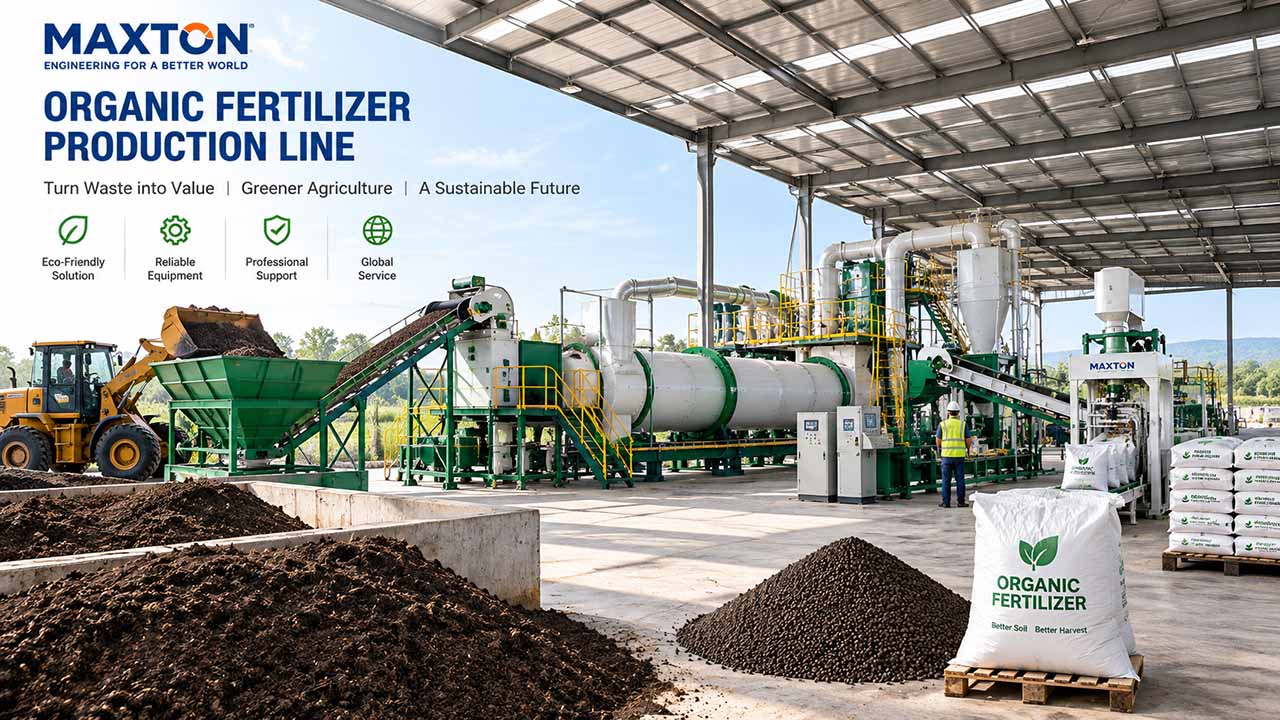
9 月 15, 2026
Fertilizer Plant Cost in 2026: Real Budget Ranges for Organic, Liquid, and NPK Production
Quick answer: A small organic fertilizer plant can start under $50,000. A commercial granular fertil...
8 月 24, 2026
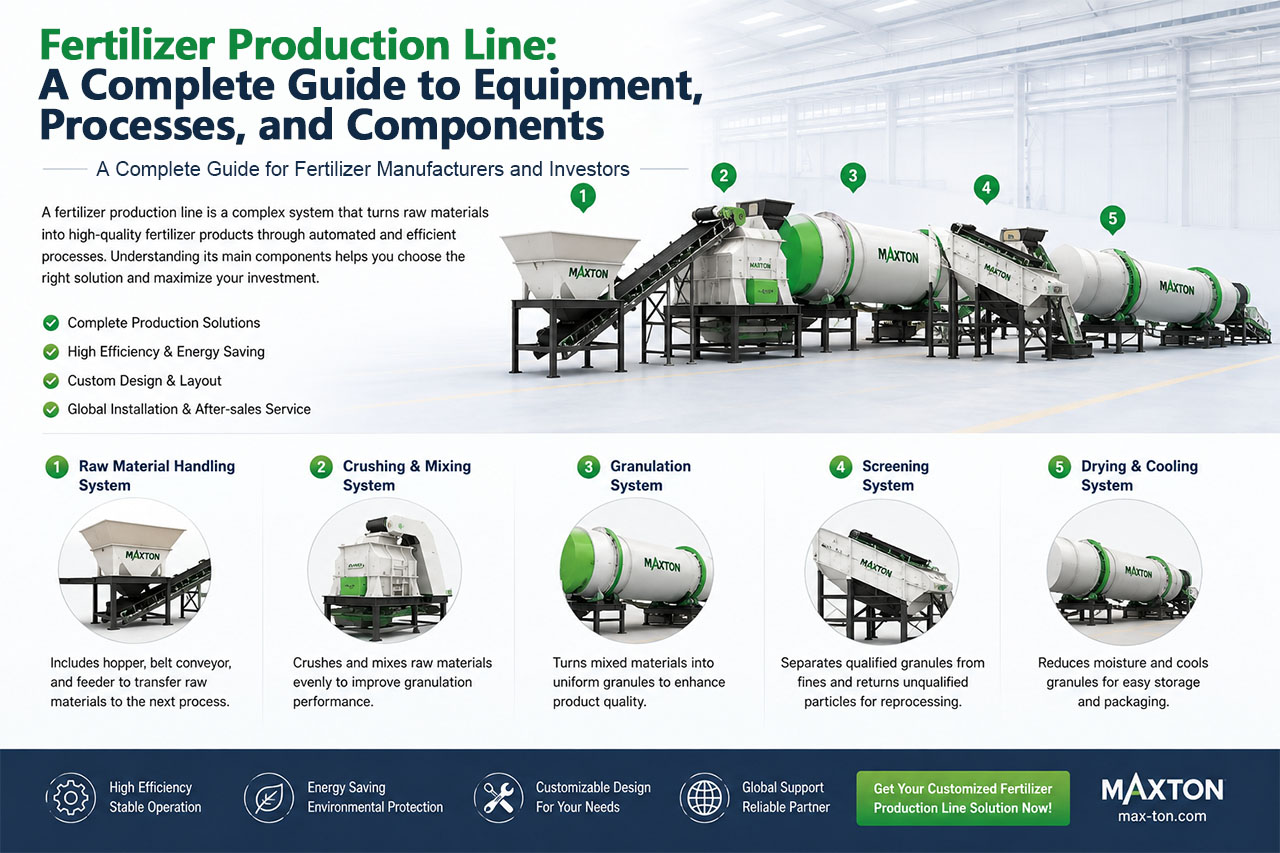
Fertilizer Production Line: A Complete Guide to Equipment, Processes, and Components
What Are the Main Components of a Fertilizer Production Line? A complete fertilizer production line ...
Give us a call or Simply Complete the Form
Address:Zhengzhou City, Henan Province, ChinaPhone:+86-18237180035Email:svip@maxtonorg.com