SINO MAXTON GROUP Co.,Ltd
News Details
How can Maxton organic fertilizer equipment leverage the Middle East Vision 2030 to achieve water conservation, increased yields, and sustainable agriculture?
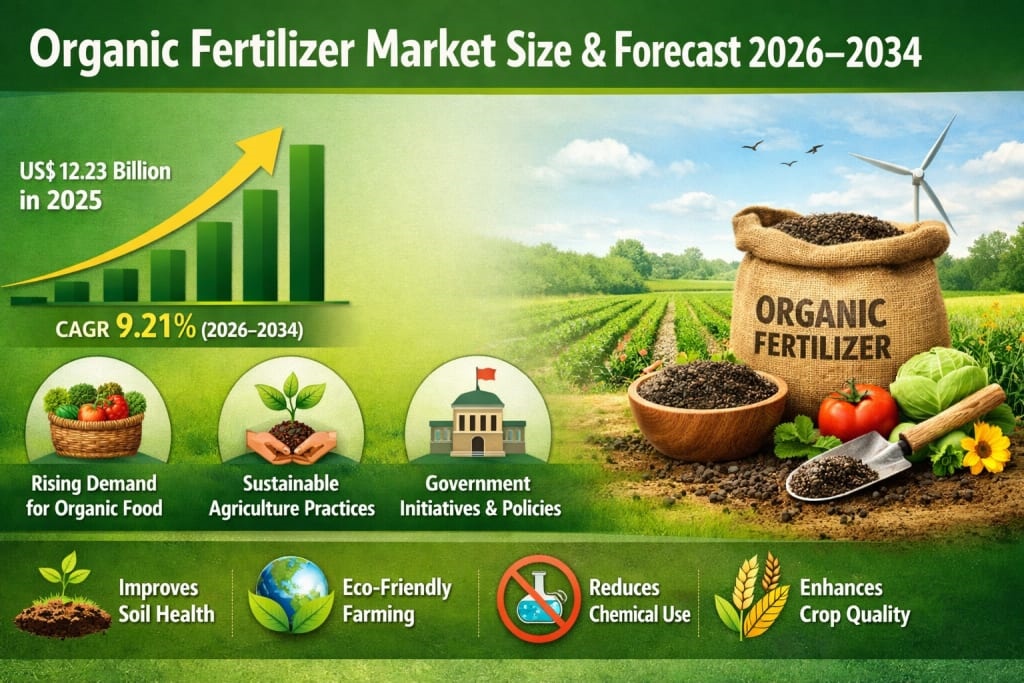
Guided by the Vision 2030 initiatives promoted by key Middle Eastern countries such as Saudi Arabia, the UAE, and Qatar, agriculture in the region is undergoing a comprehensive green transformation. These countries have prioritized reducing reliance on chemical fertilizers, conserving water resources, improving saline-alkali deserts, and enhancing productivity in extreme climates. Maxton’s organic fertilizer equipment is a core support for achieving these strategic goals.
Long-term excessive application of single-element fertilizers, high-nitrogen compound fertilizers, and water-soluble fast-acting fertilizers, while potentially increasing yields in the short term, damages soil structure, leading to soil compaction, exacerbated secondary salinization, increased EC values, a sharp decline in organic matter, and accelerated desertification. Furthermore, excessive fertilizer use easily leads to nitrate nitrogen accumulation, heavy metal enrichment, and excessive agrochemical residues, threatening agricultural product safety and export competitiveness, and is seriously inconsistent with the green and healthy requirements of Vision 2030.
Maxton’s organic fertilizer production line can transform livestock and poultry manure, straw, and other agricultural waste into high-value-added bio-organic fertilizer, compound microbial fertilizer, and humic acid organic fertilizer on-site, achieving water savings of 30%–50%, fertilizer reduction of 20%–40%, and yield increase of 15%–25%, highly aligning with the core requirements of the Maxton 2030 vision.
Maxton Organic Fertilizer Equipment Production Line: Tailor-made for the Extreme Environments of the Middle East
I. Complete Production Line Configuration (One-stop solution from raw materials to finished products)
1. Raw Material Pretreatment System
- Twin-screw extrusion solid-liquid separator: Reduces manure moisture content from 85% to 55% in one pass, suitable for arid desert climates, reducing fermentation water usage.
- Vertical fine pulverizer: Manganese steel wear-resistant blades improve fermentation efficiency and finished particle quality.
- Intelligent batching and mixing system: Multi-hopper design, batching accuracy ±1%, mixing uniformity ≥95%, adaptable to various raw material ratios.
2. High-Temperature Aerobic Fermentation System (Core Module)
- Maxton Closed Fermentation Tank/Trough Turner: High temperature resistant (55℃+), corrosion resistant, suitable for the extreme high temperatures of Middle Eastern summers, ensuring stable operation.
- Intelligent IoT Monitoring System: Real-time monitoring of temperature, humidity, and oxygen content; AI automatically adjusts turning and ventilation to ensure stable fermentation.
- Rapid Composting Technology: Composting is completed in 7–10 days (traditional composting requires 6 months); 65℃ constant temperature kills pathogens and insect eggs.
- Biological Deodorization System: Handles air volume of 2000–5000 m³/h, deodorization rate ≥90%, meeting Middle Eastern environmental standards.
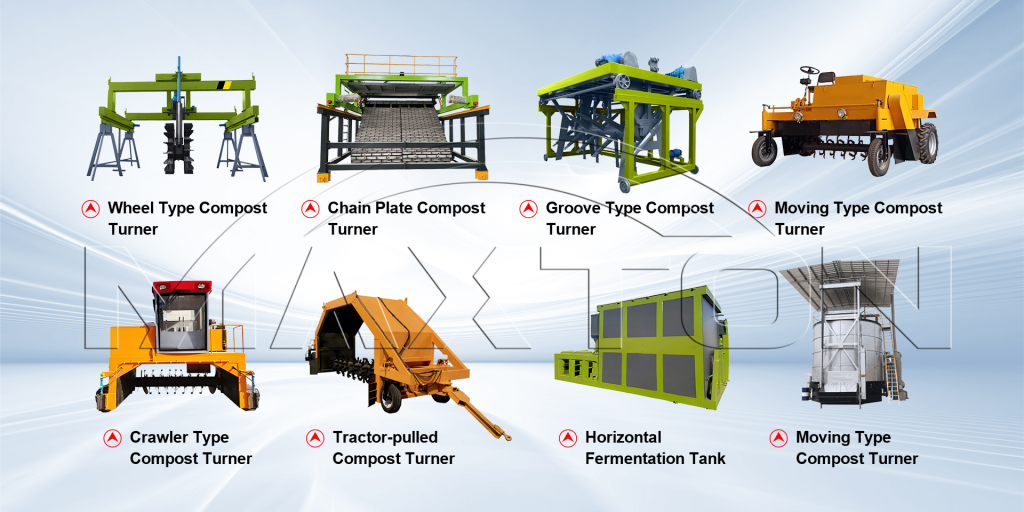
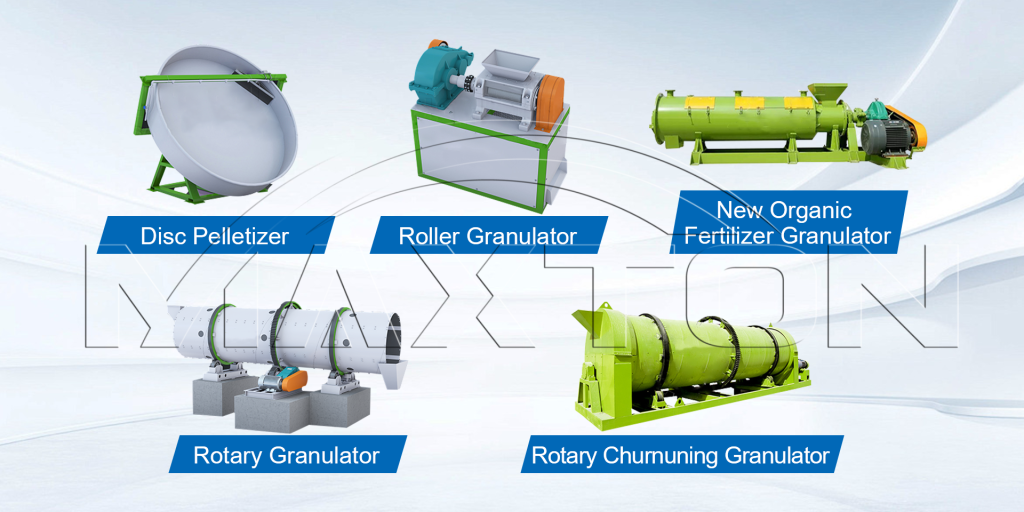
3. Granulation System
- Disc/Drum Granulator: Particle uniformity ≥92%, adjustable particle size 2–6 mm, meeting the needs of different crops.
- Roller Extrusion Dry Granulator: No need for large amounts of water drying; high particle strength, suitable for desert storage and transportation; less prone to clumping.
4. Drying, Cooling, and Screening System
- Three-pass rotary dryer + drum cooler: Waste heat recovery saves energy; finished product moisture content is stabilized at 10%–12%, ensuring quality.
- Three-layer vibrating screen: Grading efficiency ≥95%; unqualified particles are automatically returned for reprocessing, improving raw material utilization.
- Drum wrapping machine: Prevents particle agglomeration, extends shelf life, and is suitable for the high-temperature drying environment of the Middle East.
5. Fully Automatic Packaging System
- Quantitative packaging scale: Accuracy ±0.2%, provides 25kg, 50kg, and ton bag specifications, packaging speed 10–20 bags/minute.
- Palletizing robot + intelligent warehousing: Fully unmanned operation, improving efficiency and reducing labor costs.
II. Maxton Equipment Core Advantages
- Extreme Environment Adaptability: High temperature resistance, corrosion resistance, and dust resistance; combined with salt-alkali-resistant bacteria, ensuring stable operation year-round in the Middle East.
- Stable Process: Core components are made of 304 stainless steel/wear-resistant alloy, with a lifespan of ≥10 years and a failure rate of <0.5%.
- Water and Energy Saving: Closed-loop water circulation reduces energy consumption by 40%–60%, aligning with the 2030 Vision’s water resource recycling goals.
- Subsidy Assistance: Meets Saudi Arabian and UAE organic standards and assists with applying for 40%+ government agricultural subsidies.
- Flexible Production Capacity: 1–3 tons/day (small-scale) to 10–100 tons/day (large-scale), modular and scalable.
- Localized Service: After-sales teams in the Gulf and North Africa provide one-stop support for plant design, installation, training, and formula customization.
III. Practical Application Results in the Middle East
- Saudi Al-Ahsa Date Palm Orchard: Yield +22%, fertilizer -30%, water use -40%, significantly improved soil fertility.
- Abu Dhabi vegetable greenhouses: Vegetable quality increased by 35%, organic certification was obtained, and profits increased by 25%.
- Jordan Valley wheat base: Yield increased by 18%, fertilizer use reduced by 3 tons per hectare, and soil organic matter increased by 1.2%.
FAQ: Frequently Asked Questions about Maxton Organic Fertilizer Equipment and the Middle East Vision 2030
1. Can Maxton equipment be adapted to the desert, high-temperature, and saline-alkali environments of the Middle East?
Absolutely. The equipment is specifically designed for the extreme environments of the Middle East, resistant to high temperatures, corrosion, and sandstorms. The fermentation system is adapted to arid environments and, combined with salt-tolerant bacteria, ensures stable operation year-round.
2. What are the professional hazards of long-term use of chemical fertilizers?
Long-term application of urea, ammonium chloride, potassium sulfate-based compound fertilizers, and water-soluble fertilizers containing macronutrients mainly causes the following hazards:
- Destroying soil aggregate structure, leading to compaction, reducing water and fertilizer retention capacity, and affecting crop root growth.
- Increasing soil EC values, exacerbating secondary salinization, deteriorating soil quality, and reducing arable land.
- Leaving nitrogen, phosphorus, and potassium through leaching pollutes groundwater and damages the ecosystem.
- Causing excessive levels of nitrates and heavy metals in agricultural products, affecting quality, safety, and export certification.
3. How do organic fertilizers compare to chemical fertilizers in terms of efficacy and stability in the Middle East?
- Increases soil water retention capacity by 40%–60%, reduces irrigation by 30%–50%, adapting to the current situation of water scarcity.
- Replenishes soil organic matter, improves saline-alkali land, and achieves sustainable land use.
- The fertilizer effect is mild and long-lasting, does not compact the soil, enhances crop resistance, and performs more stably under extreme climates.
- No chemical residues, improves the quality of agricultural products, helps obtain organic certification, and increases the selling price.
4. What are the investment costs and payback period for the production line?
Investment increases with production capacity: Small line (1–5 tons/day): US$300,000–800,000; Medium line (20–50 tons/day): US$1,500,000–3,500,000; Large line (100 tons/day+): US$4,000,000 and up. Relying on the 30%–80% premium of organic fertilizer and 40%+ government subsidies, the payback period is 18–36 months, with an annual profit margin of 35%–50%.
5. Are the raw materials for producing organic fertilizer in the Middle East readily available?
Extremely readily available. The Middle East has abundant livestock and poultry manure, as well as rich agricultural waste such as date palm stalks and vegetable residues. Maxton equipment can convert this waste into high-value organic fertilizer on-site, turning waste into treasure and reducing costs.
6. How difficult is it to operate the equipment? Can Middle Eastern workers quickly learn to use it?
The operation is simple. It adopts fully intelligent PLC control, supports Chinese, English, and Arabic interfaces, has a one-button start, and features fault alarms. 15 days of on-site training plus remote guidance are provided; ordinary workers can operate it independently in 7 days.
7. How to access the Middle East Vision 2030 agricultural subsidies?
Maxton provides a complete set of subsidy application materials and arranges a professional team to assist in connecting with relevant institutions in Saudi Arabia and the UAE, providing full guidance throughout the application process to help quickly obtain 40%-50% equipment subsidies, reducing investment costs.
8. Does the production line comply with Middle Eastern regulations?
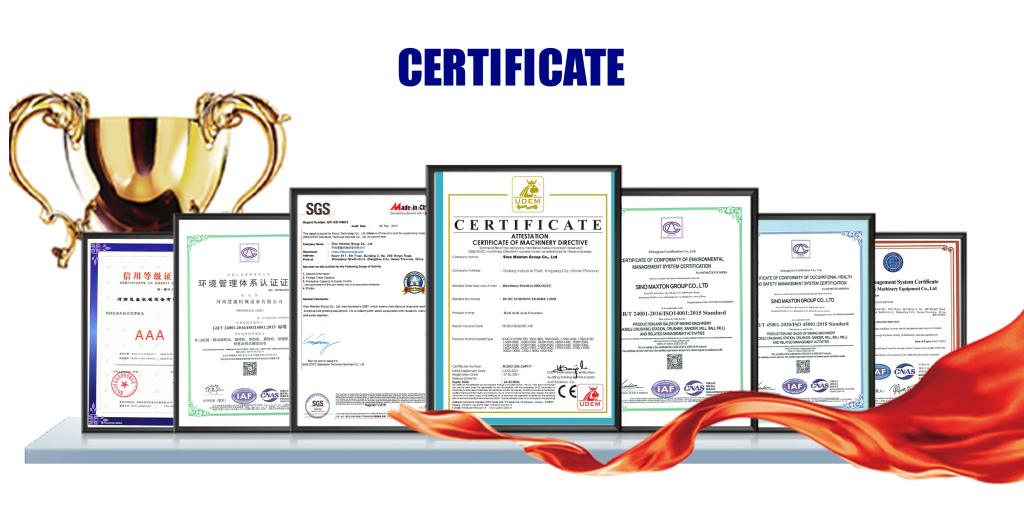
Fully compliant. Equipped with biological deodorization, closed-loop water circulation, and dust recovery systems, it achieves zero pollution emissions and is certified by Saudi SASO and UAE ESMA, meeting the green production requirements of Vision 2030.
9. Is equipment maintenance and spare parts supply convenient?
Key components have a lifespan of 5-10 years, with ample stock of vulnerable parts; equipment parts warehouses in Dubai and Riyadh, with delivery within 48 hours; annual maintenance costs are less than 3%, with dual guarantees of remote diagnostics and on-site repair.
Next Step: Seize the Golden Opportunity in Agriculture under the Middle East Vision 2030
The Middle East Vision 2030 is creating a multi-billion-dollar sustainable agriculture market. Deploying Maxton organic fertilizer equipment offers multiple benefits:
- Enjoy 40%+ government agricultural subsidies, reducing investment pressure
- Reduce fertilizer costs by 30%–40%, increasing efficiency
- Save 30%–50% on agricultural water, aligning with water resource policies
- Achieve 15%–25% crop yield increases, improving product quality
- Capture 30%–80% of the premium for organic agricultural products, enhancing profitability
- Build modern agricultural projects that are resilient to extreme environments and generate long-term profits
Related Posts
9 月 15, 2026
Fertilizer Plant Cost in 2026: Real Budget Ranges for Organic, Liquid, and NPK Production
Quick answer: A small organic fertilizer plant can start under $50,000. A commercial granular fertil...
8 月 24, 2026
Fertilizer Production Line: A Complete Guide to Equipment, Processes, and Components
What Are the Main Components of a Fertilizer Production Line? A complete fertilizer production line ...
Give us a call or Simply Complete the Form
Address:Zhengzhou City, Henan Province, ChinaPhone:+86-18237180035Email:svip@maxtonorg.com