SINO MAXTON GROUP Co.,Ltd
News Details
What are the different types of fertilizer production lines?
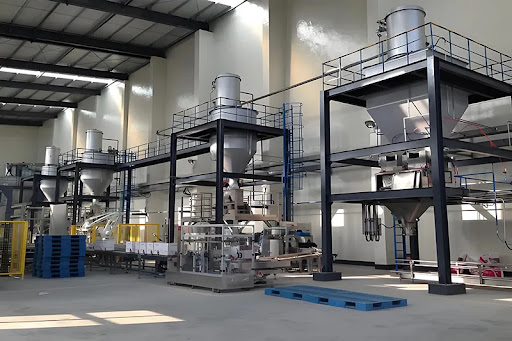
Fertilizers are crucial for healthy plant growth and high agricultural yields. With the world’s population projected to reach 8 billion by 2025, improving fertilizer production efficiency is more important than ever. Fortunately, technological advancements have made more advanced fertilizer production line processes possible.
As a professional fertilizer production line manufacturer, I will introduce the most common types of fertilizer production lines and the main differences among them.
Different Types of Fertilizer Production Lines
Fertilizer production lines are complex systems designed to transform raw materials into finished fertilizers. The main types of fertilizer production lines include:
1. Organic fertilizer production lines
2. Compound fertilizer or complex fertilizer production lines
3. NPK compound fertilizer production lines
4. BB fertilizer production lines
The choice of fertilizer production line depends on factors such as raw material supply, product specifications, production capacity, budget, and regulatory requirements. The following sections will explore each type in more detail.
Organic Fertilizer Production Line
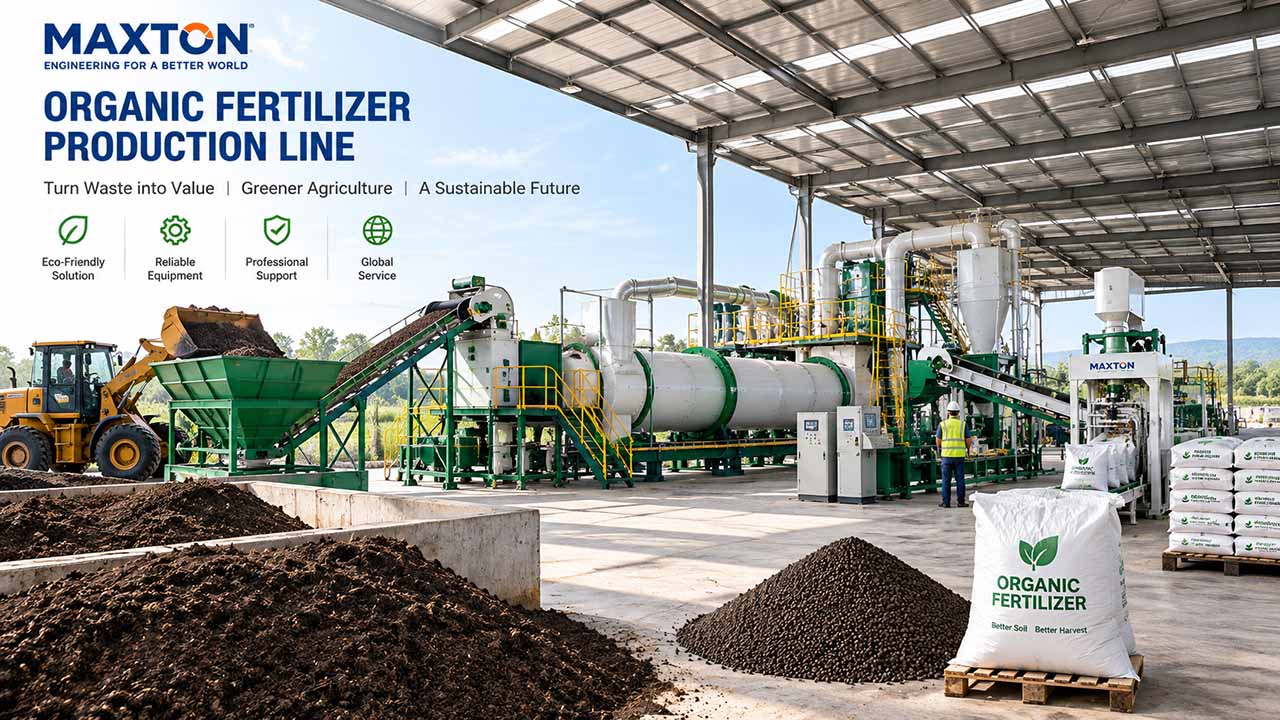
An organic fertilizer production line utilizes plant and animal-based raw materials to produce nutrient-rich fertilizers through a controlled biodegradation process. Common organic raw materials include animal manure, crop residues, food waste, and green waste.
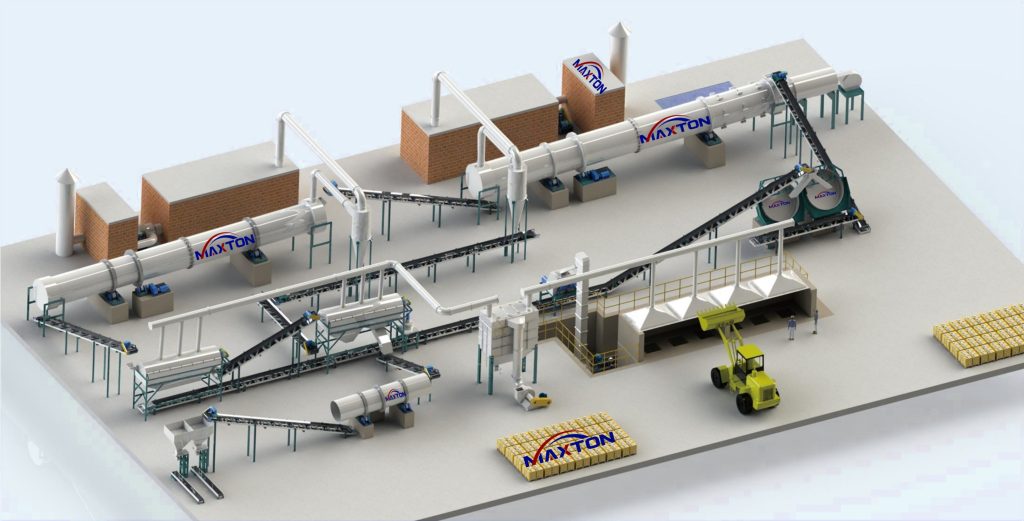
Key processes in organic fertilizer production include:
Raw Material Preparation – Collecting and pre-treating raw materials to remove contaminants and adjust moisture content.
Composting or Fermentation – Promoting microbial decomposition through proper ventilation, temperature, and humidity control.
Crushing and Screening – Grinding compost organic matter into uniform granules.
Granulation (Optional) – Forming fertilizer powder into granules for easy handling and application.
Drying and Cooling – Reducing moisture content to extend shelf life.
Coating (Optional) – Adding a protective outer layer to control nutrient release rates.
Packaging – Bagging or storing the final product for transportation and sale.
Organic fertilizer production lines range in size from small systems with a capacity of 1 ton per hour to industrial plants with a capacity exceeding 50 tons per hour.
Compound Fertilizer Production Line
Compound fertilizers contain two or more major macronutrients, such as nitrogen, phosphorus, and potassium (NPK), combined in specific proportions to meet the needs of crops.
The most common process in compound fertilizer production is the NPK production line using a wet process or nitrified phosphate (NPK) production method.
Key stages include:
Raw material procurement—procuring urea, ammonia, phosphoric acid, and potassium chloride.
Ingredient mixing—weighing and mixing various raw materials to create a homogeneous mixture.
Reaction—promoting the chemical reaction between raw materials by controlling temperature and pressure.
Granulation—forming the reacted slurry into compact granules using drum, disc, or roller granulators.
Drying and cooling—reducing the moisture content of the granules to 2-5%.
Sorting—sorting fertilizer granules by size.
Coating (optional)—adding a protective polymer layer to the granule surface.
Packaging—baking the finished fertilizer for distribution.
A typical NPK fertilizer production line can produce 20,000 to 300,000 tons per year.
NPK Compound Fertilizer Production Line
The NPK compound fertilizer production line is specifically designed to produce compound fertilizers containing multiple nutrients, including nitrogen, phosphorus, and potassium.
The production process is essentially the same as the compound fertilizer production line I just described. The main differences lie in the flexibility of raw materials and the emphasis on a balanced nitrogen, phosphorus, and potassium formulation.
NPK compound fertilizer manufacturers optimize their production lines to utilize common NPK raw materials such as urea, diammonium phosphate (DAP), and potassium chloride (MOP). This enables customization of NPK fertilizer formulations to the specific fertilization needs of specific crops.
BB Fertilizer Production Line
Also known as a bulk blending fertilizer production line, a bulk blending system offers simpler, more flexible operation for producing customized multi-nutrient fertilizers.
Unlike the direct reaction of raw materials, the batch blending process includes:
Procurement – Purchasing finished fertilizer raw materials such as urea, diammonium phosphate, and potassium chloride.
Baking – Weighing the required amount of each ingredient.
Mixing – Using belt, drum, or box mixers to combine large quantities of raw materials.
Packaging – Bagging the homogeneous mixture for distribution. No reaction or granulation occurs. The mixed powder or granules are directly bagged.
BB production lines have an hourly output of 10-100 tons and cost approximately $50,000 to $500,000, making them suitable for small, regional blenders.
Now that you understand the different types of fertilizer production lines, let’s explore the key selection criteria, manufacturing processes, and related equipment.
How to Choose the Right Fertilizer Production Line
Choosing the optimal fertilizer production line requires evaluating the following aspects:
Raw Material Supply – Ensure a stable, reasonably priced, and readily available supply of raw materials.
Product Specifications – Clearly define key characteristics, such as nutrient ratios, grades, and formulations.
Production Capacity – Expected output to meet the target market demand.
Budget – Include capital expenditures and operating expenses in the business plan.
Regulations and Standards – Comply with product quality, environmental, and safety regulations.
Flexibility – The production process can be adjusted as needed. Work with fertilizer production line suppliers to translate these parameters into a suitable system design.
Next, I will outline the typical equipment used in common fertilizer production lines.
Key Fertilizer Production Line Equipment
While each production line will vary depending on the type of fertilizer, several core equipment categories are indispensable across all configurations:
Raw Material Preparation
Belt Conveyor – Transports bulk materials
Bucket Elevator – Vertically lifts materials
Screening Machine – Sorts granules by size
Crusher – Grinds oversized particles
Mixer – Mixes materials
Composting (Organic Products Only)
Turn Turner – Aerates organic matter
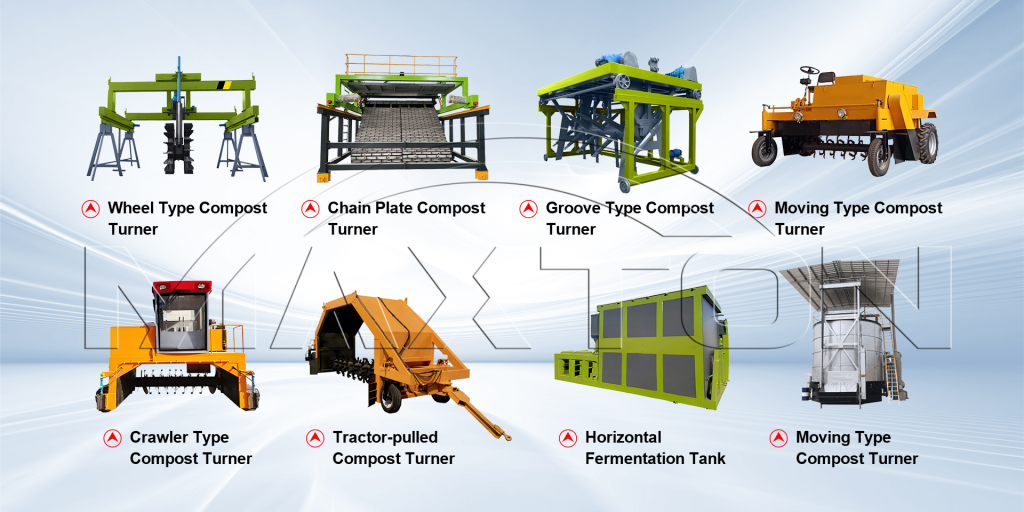
Fermentation Tank – Promotes microbial activity
Pelletizing Equipment
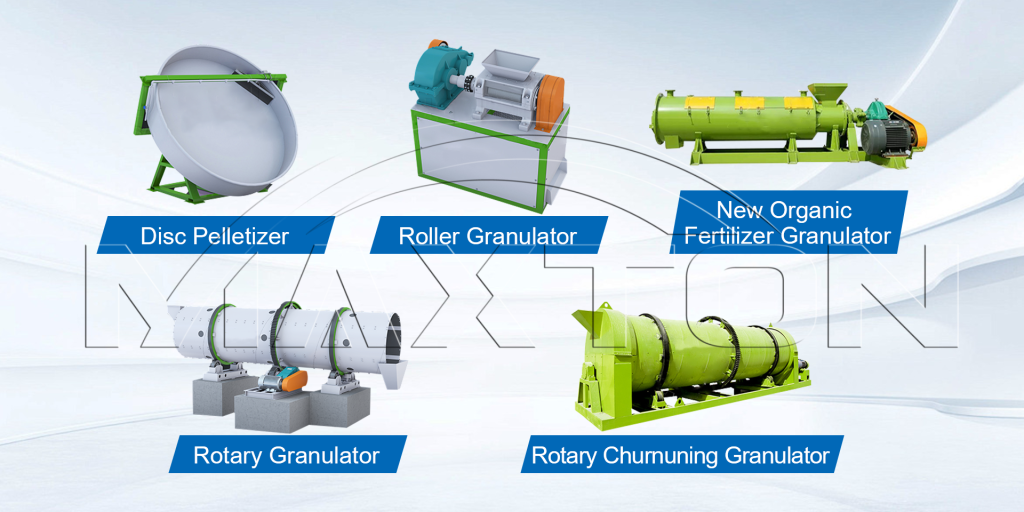
Drum Granulator – Turns powder into granules
Disc Granulator – Granulates granules on a rotating disc
Drum Compactor – Compresses material through drums
Vibrating Screen – Grains particles by size
Coating
Coating Pot – Adds liquid coating
Rotating Drum – Turns granules for covering
Drying
Rotating Drum Dryer – Reduces granule moisture
Cooling
Rotating Cooler – Air-cools granules
Packaging
Bag Filler – Bulk powder packaging
Bagged product palletizer – stacking bagged products
Large bag filling machine – filling flexible cans or ton bags
Robotic palletizer – automatically stacking bags
As you can see, all fertilizer production lines utilize a combination of engineered equipment tailored to the plant layout, budget, and objectives.
Related Posts
9 月 15, 2026
Fertilizer Plant Cost in 2026: Real Budget Ranges for Organic, Liquid, and NPK Production
Quick answer: A small organic fertilizer plant can start under $50,000. A commercial granular fertil...
8 月 24, 2026
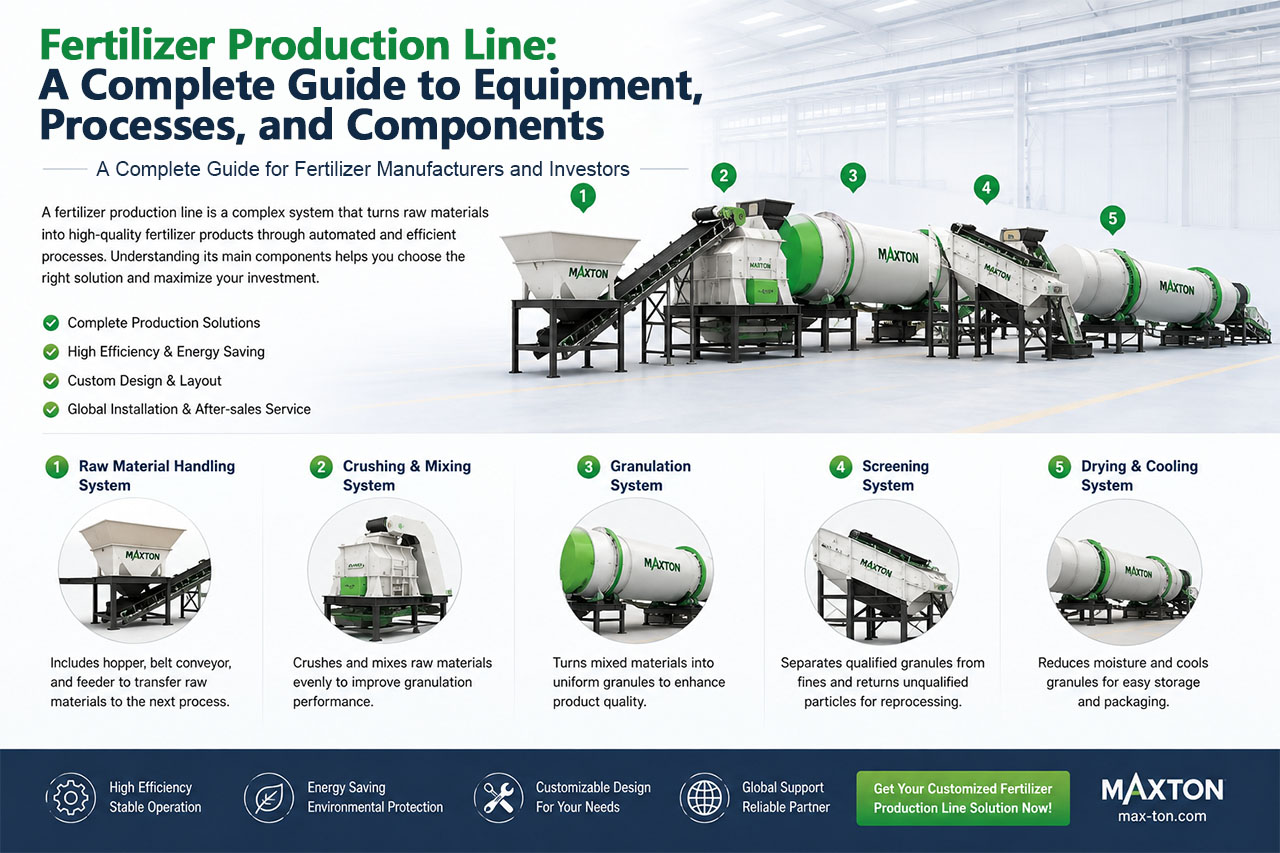
Fertilizer Production Line: A Complete Guide to Equipment, Processes, and Components
What Are the Main Components of a Fertilizer Production Line? A complete fertilizer production line ...
Give us a call or Simply Complete the Form
Address:Zhengzhou City, Henan Province, ChinaPhone:+86-18237180035Email:svip@maxtonorg.com