SINO MAXTON GROUP Co.,Ltd
News Details
Wet vs Dry Fertilizer Granulation | Maxton Guide for NPK & Organic
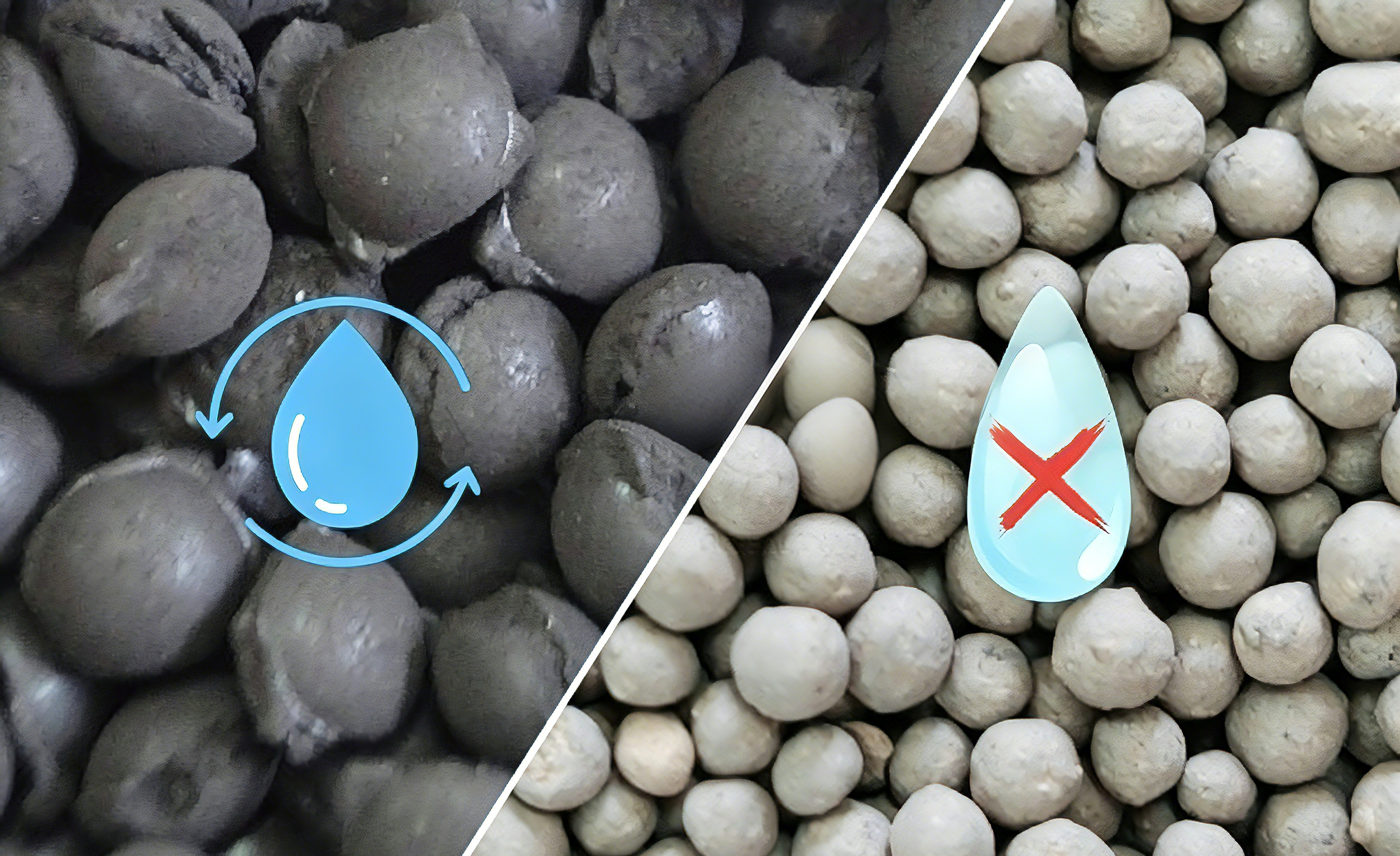
Choosing the right fertilizer granulation method is one of the most critical decisions for producers. The choice between wet granulation and dry granulation affects everything from your factory’s energy bills and maintenance costs to the quality of the final pellets and the types of raw materials you can process.
Whether you are setting up a new NPK blending plant or an organic fertilizer production line, understanding these two technologies—disc/pan vs. roller extrusion—is key to maximizing ROI.
In this guide, we break down the technical and economic differences between wet and dry methods and explain why Maxton offers the flexibility to supply both solutions to match your specific budget and material needs.
What is Wet Granulation? The Rotary Drum & Disc Method
Wet granulation is the traditional method for producing high-quality, spherical fertilizer granules. It involves adding liquid (water, steam, or a binder solution) to fine powder to encourage agglomeration.
In this process, equipment like a rotary drum granulator or disc pan granulator tumbles the moistened material.
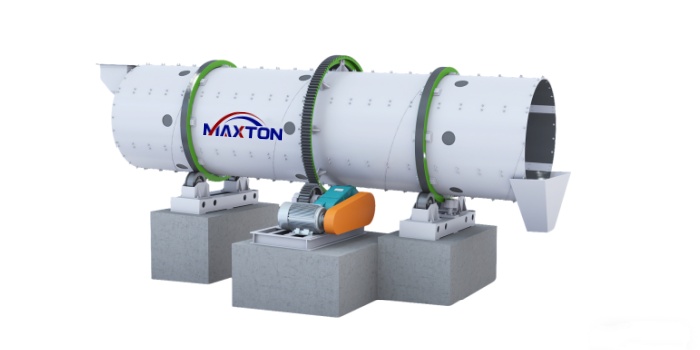
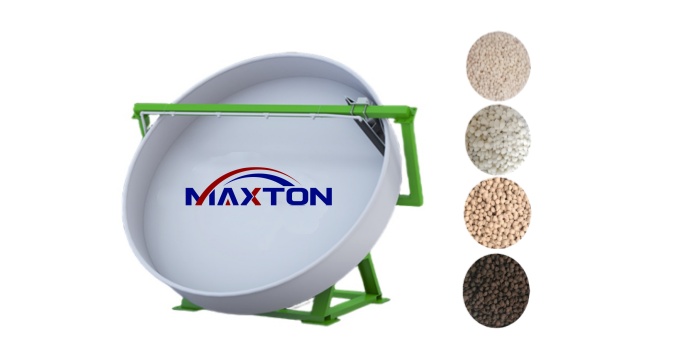
-
The Process: Mixing → Wetting → Agglomeration in Drum/Disc → Drying → Cooling → Screening
-
Moisture Levels: Raw materials typically require 20%-40% moisture content for optimal agglomeration
-
Output Shape: Smooth, spherical, aesthetically pleasing granules
Advantages of Wet Granulation
-
Superior aesthetics – produces perfectly round balls that are easy to package and market
-
High compressive strength – the drying process creates hard granules resistant to crushing during transport
-
Dust control – adding liquid significantly reduces airborne dust, improving factory conditions
Disadvantages of Wet Granulation
-
High energy costs – requires a rotary dryer and cooler, consuming significant fuel or electricity
-
Complex process line – requires more supporting equipment (boilers, scrubbers, conveying systems)
-
Space consumption – drying drums take up large footprints
What is Dry Granulation? The Roller Extrusion Method
Dry granulation (often called the roller extrusion method) compresses powder into solid flakes or strips using high mechanical pressure, which are then crushed and screened into granules. This process requires no water and no subsequent drying.
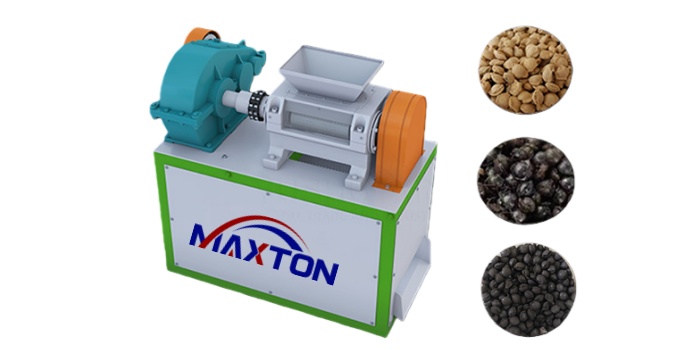
The most common equipment is the double roller extrusion granulator.
-
The Process: Mixing → High-Pressure Extrusion (Rollers) → Crushing → Screening
-
Moisture Levels: Ideal for materials with 2% – 5% moisture
-
Output Shape: Irregular, flat, or pillow-shaped granules
Advantages of Dry Granulation
-
Zero drying required – saves up to 50% on energy costs compared to wet systems
-
Lower capital investment – you do not need to purchase dryers, coolers, or large emission control systems
-
Ideal for sensitive materials – since no heat is applied, it preserves biological activity (probiotics) and prevents chemical degradation
-
No wastewater – creates no liquid waste, making environmental compliance easier
Disadvantages of Dry Granulation
-
Irregular shape – granules are usually pillow-shaped or irregular, which some farmers may perceive as lower quality
-
Higher wear on rolls – maintaining the roller shells is critical; abrasive materials can wear out equipment faster
Wet vs Dry Fertilizer Granulation: Key Comparison
When deciding between a disc/pan granulator (wet) and a roller press (dry), consider the following factors:
| Feature | Wet Granulation (Disc/Drum) | Dry Granulation (Roller Extrusion) |
|---|---|---|
| Water/Binder | Required (Steam or liquid, 20-40% moisture) | None (Operates at room temp, 2-5% moisture) |
| Drying System | Required (High energy consumption) | Not Required (Saves space & fuel) |
| Final Product | Spherical, smooth, high hardness | Pillow-shaped / Irregular, dense |
| Raw Material Fit | Best for complex NPK formulas & fine powders | Best for heat-sensitive materials, organics, and some compound fertilizers |
| Investment Cost | High (More machinery required) | Lower (Simpler production line) |
| Energy Consumption | High (Dryer + Cooler needed) | Low (No thermal process) |
| Ideal Capacity | Medium to High volume (5-30+ t/h) | Small to Medium volume (1-10 t/h) |
Which Fertilizer Granulation Process Fits Your Raw Materials?
Choosing the right technology often comes down to what you are putting into the machine.
When to Choose Wet Granulation (Drum or Disc)
-
High-nitrogen formulas – Wet granulation with steam helps manage sticky urea or ammonium mixtures more effectively than dry methods
-
Premium consumer products – If your customers expect round, pill-like pellets that look professional, wet granulation is the standard
-
Abrasives – While both handle abrasives, wet drums are generally easier to maintain regarding internal liners than roller presses for very hard rocks
When to Choose Dry Granulation (Roller Extrusion)
-
Organic fertilizers – Manure, humic acid, and bio-bacteria are heat-sensitive; the low-temperature, no-dry process of a roller press keeps biology alive
-
Low-budget entry – If you want to start producing fertilizer without investing in expensive drying drums and a boiler system, dry granulation offers a faster startup
-
Moisture-sensitive materials – Some materials decompose or become toxic when heated or wetted; dry granulation solves this
Expert Tip from Maxton: If you are producing a pure organic fertilizer (e.g., pig manure or sludge), a dry roller press prevents material from sticking together and degrading. If you are producing high-concentration NPK 15-15-15 for commercial resale, a wet rotary drum will give you that premium feel.
Cost and Energy Analysis: Wet vs Dry Granulation
Energy consumption is one of the largest ongoing expenses in fertilizer production. Understanding the cost difference between wet and dry granulation is essential for long-term planning.
Wet Granulation Energy Costs
Wet granulation requires a drying stage. A rotary dryer alone can consume 15-25 kWh per ton of product. When you add the cooler, fan systems, and steam generation, total energy consumption often exceeds 40 kWh per ton. For a 10-ton-per-hour line, this translates to significant monthly fuel or electricity bills.
Dry Granulation Energy Savings
Dry granulation eliminates the dryer. The main energy draw is the roller extruder motor, typically consuming 10-15 kWh per ton. That is a 60-75% reduction in energy costs compared to wet granulation.
Bottom Line on Cost
-
Lower upfront investment – Dry granulation (roller extrusion) lines are cheaper to purchase and install
-
Lower operating costs – Dry granulation saves money daily on fuel, electricity, and labor
-
Higher product value – Wet granulation produces spherical granules that may command a higher market price
Your choice depends on whether your business prioritizes lower operating costs (dry) or premium product aesthetics (wet).
Fertilizer Types Suitable for Each Granulation Method
| Fertilizer Type | Recommended Method | Reason |
|---|---|---|
| NPK Compound Fertilizer | Wet (Drum/Disc) | Complex formulas need steam and agglomeration |
| Urea-Based Fertilizer | Wet (Drum) | High nitrogen content requires moisture control |
| Organic Fertilizer | Dry (Roller) | Heat-sensitive; no drying preserves organics |
| Bio-Fertilizer | Dry (Roller) | Low temperature keeps beneficial bacteria alive |
| Humic Acid Fertilizer | Dry (Roller) | Avoids degradation from heat and water |
| Potash Fertilizer | Both | Depends on the moisture content and the target shape |
| Ammonium Sulfate | Wet (Drum) | Sticky material needs tumbling action |
Output Quality: Spherical vs Pillow-Shaped Granules
Granule shape directly impacts marketability, handling, and application performance.
Wet Granulation Output Quality
Wet granulation produces spherical granules that are uniform in size and smooth to the touch. These round pellets flow easily through seeders and spreaders. They also resist caking during storage. For retail fertilizer bags, round granules are the industry standard because customers perceive them as higher quality.
Dry Granulation Output Quality
Dry granulation produces pillow-shaped or irregular granules. While these are dense and hard, they lack the visual appeal of round pellets. However, for bulk blending or organic applications where appearance is less important, dry granules perform perfectly well. Some farmers actually prefer irregular granules because they break down faster in soil.
Quality Verdict
If brand image and premium packaging matter to you, choose wet granulation. If you sell in bulk or focus on organic agriculture, dry granulation is sufficient and more profitable.
Maxton: Your Partner for Both Wet and Dry Fertilizer Granulation
Unlike vendors who push only one machine type, Maxton offers complete, turnkey lines for both wet and dry granulation. This unique positioning means Maxton conducts a strict raw material analysis before selling you a machine.
Maxton Wet Granulation Equipment
Maxton provides high-efficiency disc pan granulators and rotary drum granulators for wet granulation lines. Their wet granulation systems feature heavy-duty construction and achieve an 80%-90% granulation rate for spherical products. Each line includes equipment for feeding, mixing, granulating, drying, cooling, screening, and packaging.
Maxton Dry Granulation Equipment
Maxton’s double roller extrusion granulators are designed for no-dry processes. They require low moisture (2%-5%) and feature a granulation ratio of over 85%. These roller presses are ideal for organic fertilizer, bio-fertilizer, and heat-sensitive materials. The compact design saves factory space and reduces installation time.
Why Choose Maxton
-
Full product range – wet and dry solutions under one roof
-
Raw material testing – Maxton analyzes your materials before recommending a method
-
Custom engineering – lines designed for your specific capacity and budget
-
Global service – installation support, training, and spare parts
How to Choose the Right Granulation Method for Your Plant
Follow these five steps to make the right decision for your fertilizer business.
Step 1: Analyze your raw materials. Test the moisture content, density, and heat sensitivity of your inputs.
Step 2: Define your target output. Do you need spherical premium pellets, or is an irregular shape acceptable?
Step 3: Calculate your budget. Include both capital investment and ongoing energy costs.
Step 4: Assess your facility space. Wet lines require dryers and coolers; dry lines are more compact.
Step 5: Consult a supplier like Maxton. Get professional advice based on material testing.
Frequently Asked Questions About Wet vs Dry Fertilizer Granulation
Which is better for organic fertilizer: wet or dry granulation?
Dry granulation (roller extrusion) is better for organic fertilizer because it operates at low temperature and requires no drying, preserving beneficial microorganisms and organic matter.
Does dry granulation save energy compared to wet granulation?
Yes. Dry granulation eliminates the drying stage, reducing energy consumption by 60-75% compared to wet granulation.
Can I produce NPK fertilizer with dry granulation?
Yes, but wet granulation is generally preferred for complex NPK formulas because steam helps manage sticky materials like urea and ammonium.
What is the main disadvantage of dry granulation?
The main disadvantage is irregular, pillow-shaped granules rather than the round, spherical pellets produced by wet granulation.
Which granulation method has a lower upfront cost?
Dry granulation (roller extrusion) has a lower upfront cost because it requires fewer pieces of equipment—no dryer, no cooler, and no boiler system.
Conclusion: Wet or Dry – Which Is Right for You?
There is no single best method. The right choice depends on your raw materials, budget, and target market.
Choose wet granulation (disc or drum) if you are scaling up for large-volume NPK production, need high-strength spherical granules, have the capital budget for drying systems, and serve retail customers who expect premium packaging.
Choose dry granulation (roller extrusion) if you are making organic fertilizer or bio-fertilizer, have low-moisture materials, want to save on energy bills, are looking for a lower initial investment with quick setup, and sell in bulk where appearance is less critical.
Consult Maxton for your granulation line. Whether you need the rolling action of a wet pan or the compacting force of a dry roller, Maxton has the engineering expertise and equipment catalog to build the right line for you. Contact Maxton for material testing and a customized quote today.
Contact Maxton:
-
Website:https://fertifactory.com/
-
Email: svip@maxtonorg.com
-
WhatsApp/Tel: +86-18237180035
Related Posts
9 月 15, 2026
Fertilizer Plant Cost in 2026: Real Budget Ranges for Organic, Liquid, and NPK Production
Quick answer: A small organic fertilizer plant can start under $50,000. A commercial granular fertil...
8 月 24, 2026
Fertilizer Production Line: A Complete Guide to Equipment, Processes, and Components
What Are the Main Components of a Fertilizer Production Line? A complete fertilizer production line ...
Give us a call or Simply Complete the Form
Address:Zhengzhou City, Henan Province, ChinaPhone:+86-18237180035Email:svip@maxtonorg.com