SINO MAXTON GROUP Co.,Ltd
News Details
Is nitrogen fertilizer too expensive? Soil degradation? Organic fertilizer production line – South Africa’s solution
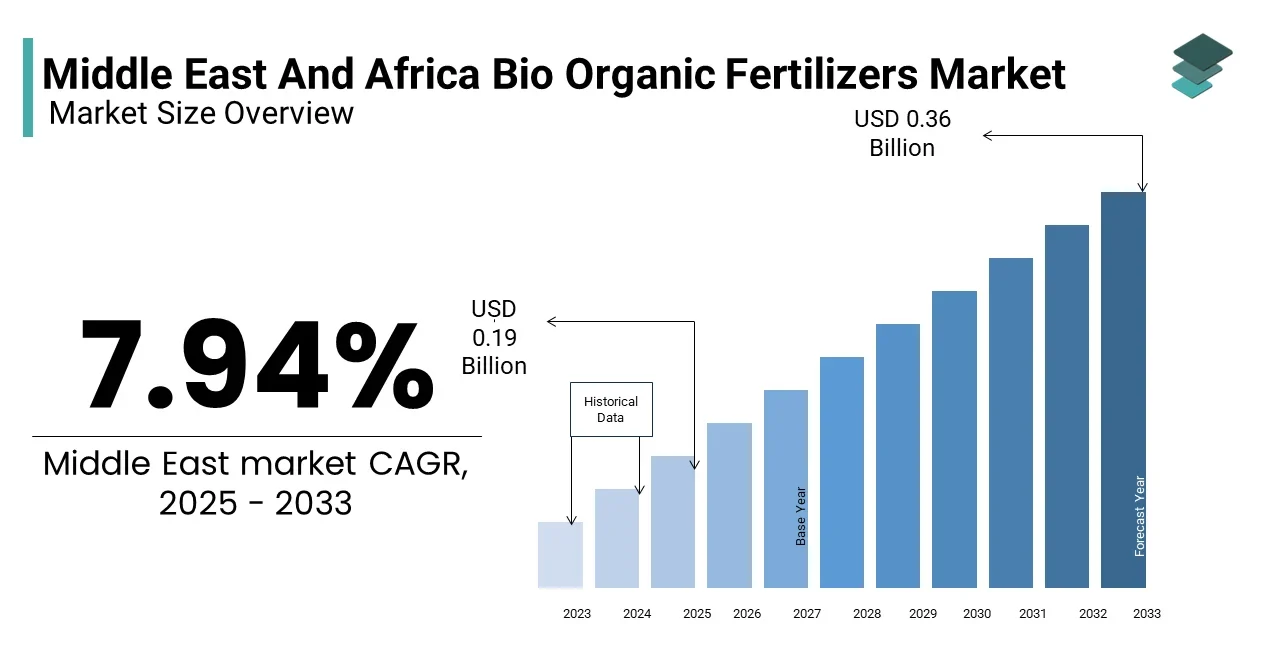
In the development of South African agriculture, nitrogen fertilizer, as a traditional means of increasing yields, has gradually become a core bottleneck restricting the industry’s sustainable development. High import costs and exacerbated soil degradation are two major pain points, plunging fertilizer producers and farmers of all sizes into development difficulties.
Maxton’s organic fertilizer production line is specifically tailored for the South African market, offering a one-stop turnkey service as its core. It provides a direct solution to overcome the drawbacks of nitrogen fertilizer, balancing cost control, environmental compliance, and soil remediation, helping companies seize the initiative in South Africa’s sustainable agriculture market.
I. Core Pain Points of Nitrogen Fertilizer Application in South Africa and the Urgent Need for Efficient Alternatives
South African fertilizer producers and farmers have long faced dual pressures from nitrogen fertilizer use, with pain points concentrated in two areas:
1. Significant Cost Pressure:
Since 2021, local urea prices have risen by 38%, and ammonia prices have surged by 86% in rand terms. Coupled with the continued depreciation of the rand and instability in the international supply chain, tariffs, transportation costs, and price fluctuations associated with imported nitrogen fertilizers have significantly squeezed profit margins for companies, making it particularly difficult for small and medium-sized farmers to bear the burden.
2. Soil and Environmental Crisis:
Long-term overuse of nitrogen fertilizers has led to continuous deterioration of soil quality. 23% of the soil suffers from salinization, and 58% has an organic carbon content of less than 0.5%. Nitrogen fertilizer runoff also pollutes rivers, violating South Africa’s commitments under the UN Convention to Combat Desertification, and companies face increasingly stringent environmental penalties.
Both environmentally conscious producers and farmers struggling with cost and soil issues urgently need an organic fertilizer production line alternative that is cost-effective, practical, and environmentally friendly.
II. Maxton Organic Fertilizer Production Line: The Preferred Nitrogen Fertilizer Substitute Solution for South Africa
Maxton focuses on the needs of the South African market, and its organic fertilizer production line is designed with “local sourcing, worry-free operation, and high efficiency” as its core principles. It addresses the drawbacks of nitrogen fertilizer at the source, becoming a key partner in South Africa’s green agricultural transformation.
(I) Simplified and Efficient Production Process, Adapted to Local South African Needs
The organic fertilizer production line adopts a simplified 4-step process, requiring no specialized technical background. Local operators can learn to operate it after short-term training, making it suitable for local South African production scenarios:
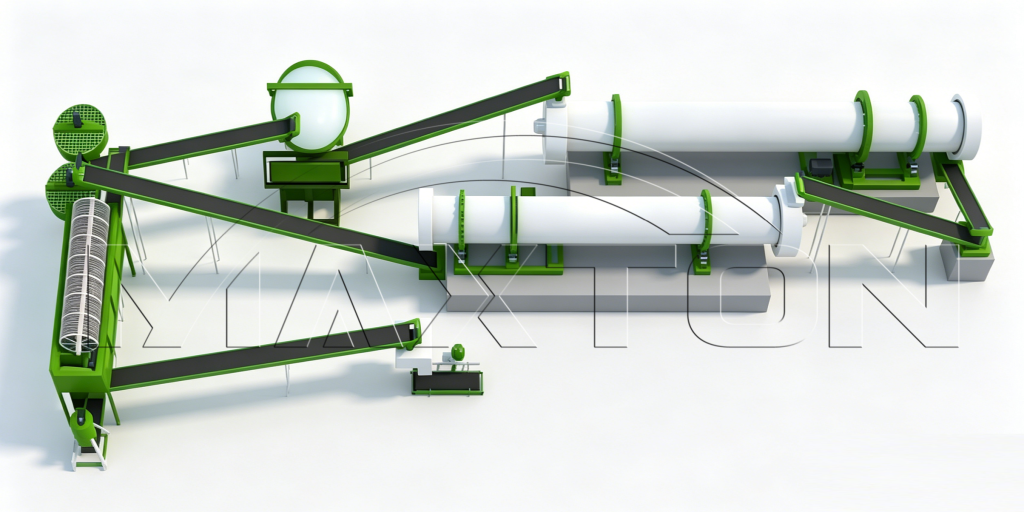
1. Raw Material Pretreatment:
Crushing and mixing common South African organic waste such as livestock and poultry manure and crop straw, adjusting the moisture and carbon-nitrogen ratio to fermentation standards, achieving “local sourcing and turning waste into treasure”;
2. High-Temperature Aerobic Fermentation:
Intelligent temperature control at 55-70℃, thoroughly killing pathogens in 5-7 days, and completing composting in 15-25 days (composting degree ≥90%), ensuring the quality of organic fertilizer;
3. Deep Processing:
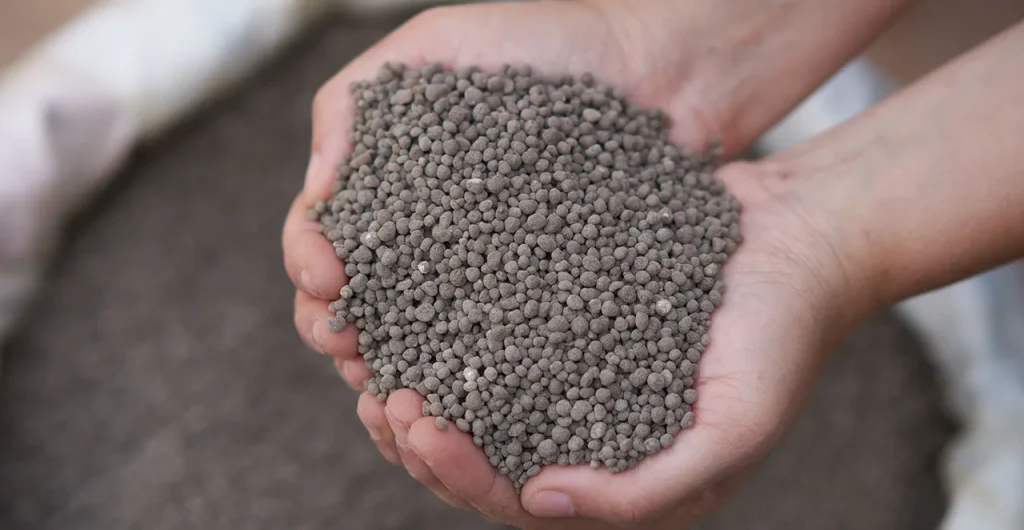
After crushing and screening, it can be made into powdered or granular organic fertilizer according to needs, meeting the requirements of different planting scenarios.
4. Automatic Packaging:
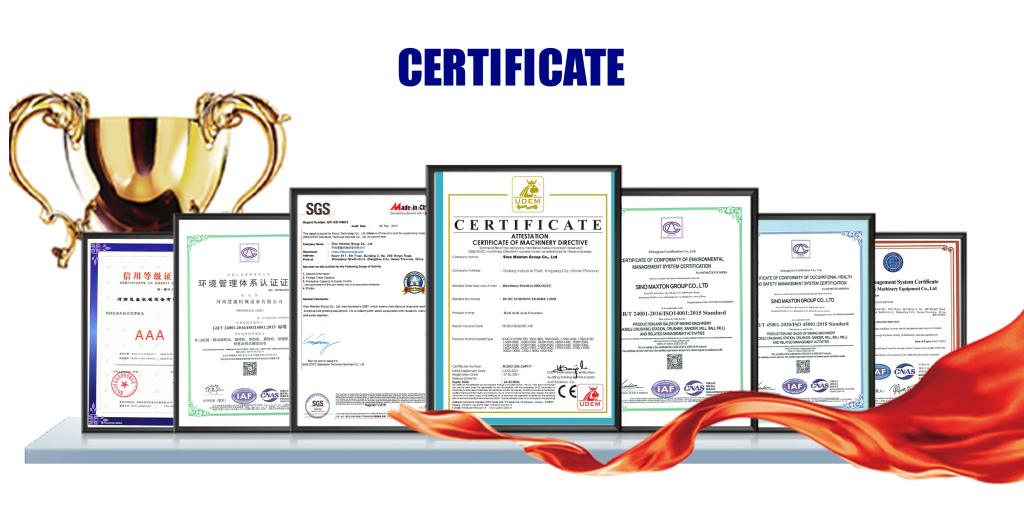
Fully automated operation, reducing labor costs, and the finished product can be directly used or sold in the market. The finished product strictly adheres to South African SANAS certification standards, with organic raw materials accounting for ≥95%. Heavy metal limits are based on EU standards, allowing for easy expansion into overseas markets through the mutual recognition policy between South Africa and the EU.
(II) Multiple Core Advantages, Balancing Cost and Environmental Protection
Choosing the Maxton organic fertilizer production line achieves a triple improvement in cost, environmental protection, and efficiency, precisely matching the needs of the South African fertilizer market:
1. Controllable Costs:
Long-term use can save 30%-50% on fertilizer-related expenses, eliminating the risks of import tariffs, transportation costs, and price fluctuations associated with imported nitrogen fertilizers. Local organic waste raw materials are inexpensive, and the production line can be flexibly adjusted according to capacity, avoiding waste.
2. Environmental Compliance:
Equipped with a professional deodorization and dust removal system, the production process is free of harmful gases and water pollution, contributing to carbon reduction and aligning with South Africa’s environmental protection and desertification control policies, effectively avoiding environmental penalties.
3. Soil Remediation:
Organic fertilizer can rebuild soil structure, increase organic carbon content, enhance microbial diversity, reverse soil salinization and acidification, cultivate drought-resistant crops, achieving “short-term high yield and long-term quality improvement,” balancing yield and soil sustainability.
III. Maxton’s One-Stop Turnkey Project: Worry-Free Production Start-up
To address the challenges faced by South African clients, such as a lack of technical teams and concerns about production start-up, Maxton offers a dedicated one-stop turnkey service, handling everything from initial planning to ongoing operation and maintenance to ensure rapid and stable production start-up:
1. Initial Customization:
A professional team tailors a customized Organic Fertilizer Production Line solution based on South African raw materials, climate, and policy characteristics.
2. Equipment Supply:
Providing a complete set of core equipment, including fermentation, crushing, screening, and packaging equipment, ensures reliable quality and suitability for local production needs.
3. Installation and Commissioning:
Professional engineers provide on-site service, completing installation and commissioning within 10-30 working days to ensure normal equipment operation.
4. Personnel Training:
Providing short-term practical training with a simple operation manual, enabling even inexperienced personnel to quickly get started.
5. After-Sales Support:
On-site troubleshooting within 72 hours, regular follow-up visits for optimization, and an equipment stability rate of ≥98%.
6. Additional Services:
Assisting with product certification and policy subsidy applications, requiring no additional investment from the client.
Currently, Maxton has delivered over 200 Organic Fertilizer Production Lines globally, achieving a customer satisfaction rate of over 95%, suitable for clients of all sizes, including small farmers, SMEs, and large commercial producers.
IV. South African Organic Fertilizer Policy Subsidies: Maxton Provides Full Application Assistance
South Africa offers several policy supports for sustainable agriculture and the resource utilization of organic waste. Maxton provides full assistance to clients in the application process, further reducing upfront investment pressure:
1. Tax Incentives:
Enterprises engaged in organic fertilizer production and involved in environmental projects can enjoy a “three-year exemption and three-year 50% reduction” of corporate income tax; purchasing Maxton’s environmental protection equipment allows for a 10% tax credit on the current year’s tax payable, with any shortfall carried forward to five tax years.
2. Agricultural Support:
Participation in soil improvement and carbon reduction projects allows for application for special government funding; priority participation in bidding for sustainable agriculture projects organized by the South African Ministry of Agriculture; eligible products can benefit from Southern European certification mutual recognition, simplifying export registration procedures.
3. SME Support:
Small farmers and SMEs purchasing Organic Fertilizer Production Lines can apply for low-interest government loans; enjoy foreign investment-friendly tax breaks in South African special economic zones, accelerating return on investment and profitability. Note: Specific subsidy policies depend on the company’s size, production scale, and local policy details. Maxton provides professional guidance throughout the process to ensure clients can successfully enjoy the policy benefits.
V. Frequently Asked Questions (FAQ)
1. Can the Maxton production line be adapted to local organic raw materials in South Africa?
Fully compatible. It can flexibly process common local organic waste such as livestock manure and crop straw without additional modifications. The carbon-nitrogen ratio can be adjusted according to the characteristics of the raw materials, achieving “local sourcing, cost reduction and efficiency improvement”.
2. How much cost can be saved in the long term compared to imported nitrogen fertilizer?
Long-term cost savings of 30%-50% are possible. There is no need to bear import tariffs, transportation costs, or price fluctuation risks. The raw material cost is low, and combined with policy subsidies, operating costs can be further reduced, and the return on investment can be accelerated.
3. Can the finished organic fertilizer pass local certification in South Africa?
Successfully. The finished product complies with SANAS standards, with an organic raw material content of ≥95%. Heavy metal limits refer to EU standards. Maxton can assist in providing carbon footprint reports and supports mutual recognition and filing for certification in Southern Europe.
4. Is the production line installation and operation suitable for local South African personnel?
Simple operation and highly adaptable. Modular design, installation, and commissioning completed in 3-6 months; PLC automatic control system reduces operational difficulty. Maxton provides short-term training and a simple manual, allowing even inexperienced personnel to quickly get started.
5. Will the slower-acting organic fertilizer affect short-term yield?
No. Organic fertilizer is a long-acting fertilizer; combined with a small amount of nitrogen fertilizer topdressing, it can achieve “short-term high yield and long-term quality improvement,” ensuring stable yields while restoring soil and increasing product added value, aligning with the needs of sustainable agriculture in South Africa.
6. Does the production line meet South African policy requirements for environmental protection?
Fully compliant. Equipped with an odor and dust removal system, there are no harmful emissions, contributing to carbon reduction, aligning with South Africa’s environmental protection and desertification control policies, avoiding environmental penalties, and making it easier to apply for government support funds.
7. What specific services are included in Maxton’s one-stop turnkey project?
It covers initial solution customization, equipment supply, installation and commissioning, personnel training, 72-hour after-sales service, certification, and subsidy application guidance, providing full control, suitable for SMEs and farmers lacking technical teams.
8. Will Maxton assist with applying for South African policy subsidies?
Yes, we will provide full assistance. We will guide clients in preparing all necessary materials, liaise with relevant departments, and interpret policy details to ensure successful access to tax breaks, low-interest loans, and special support funds.
If you are struggling with issues such as high costs of imported nitrogen fertilizer, soil degradation, and environmental compliance, choosing Maxton’s organic fertilizer production line can open the door to low-cost, environmentally friendly, and sustainable agricultural development.
Related Posts
9 月 15, 2026
Fertilizer Plant Cost in 2026: Real Budget Ranges for Organic, Liquid, and NPK Production
Quick answer: A small organic fertilizer plant can start under $50,000. A commercial granular fertil...
8 月 24, 2026
Fertilizer Production Line: A Complete Guide to Equipment, Processes, and Components
What Are the Main Components of a Fertilizer Production Line? A complete fertilizer production line ...
Give us a call or Simply Complete the Form
Address:Zhengzhou City, Henan Province, ChinaPhone:+86-18237180035Email:svip@maxtonorg.com