SINO MAXTON GROUP Co.,Ltd
News Details
Organic Fertilizer Composting Machine: The Buyer’s Guide
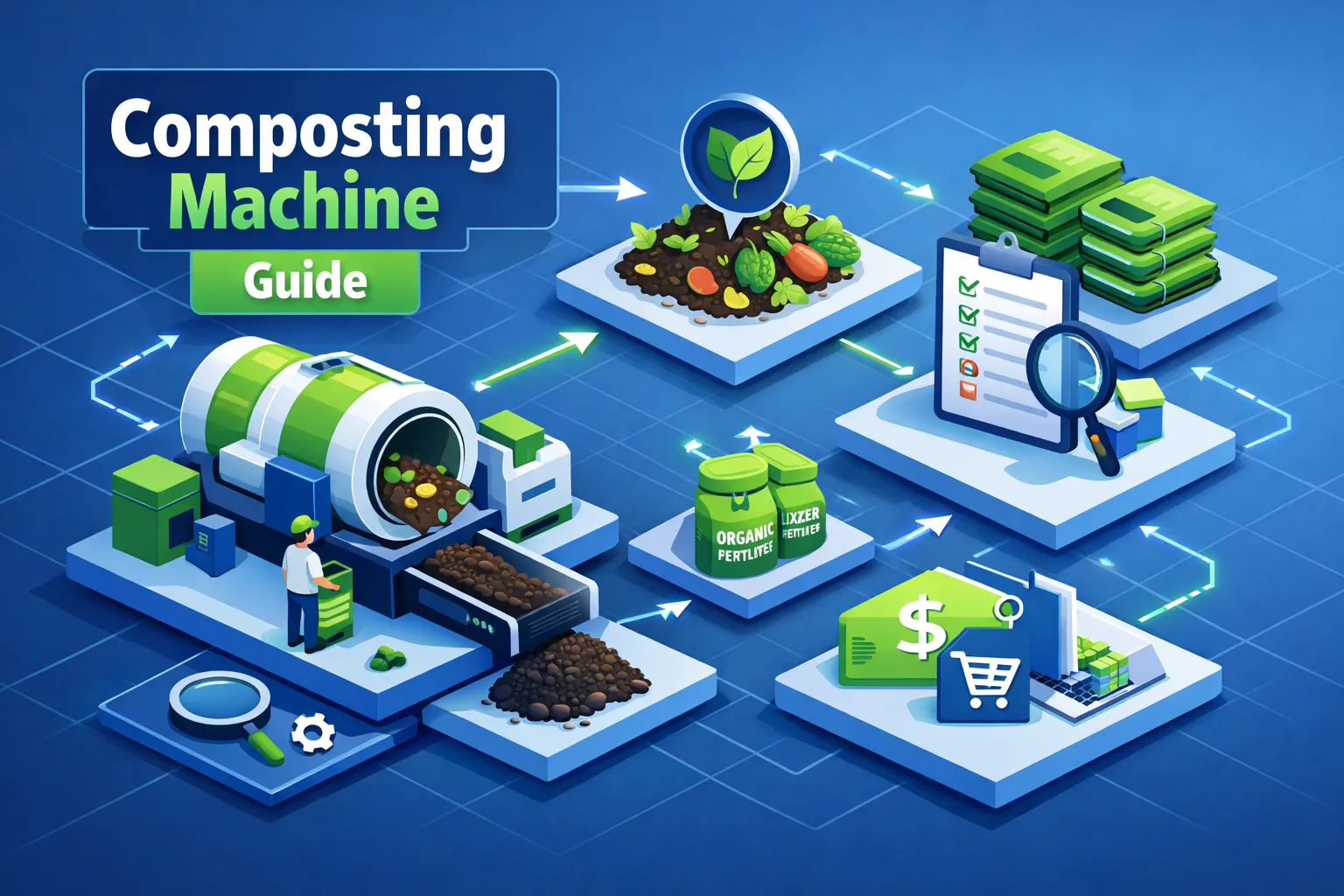
Choosing the right organic fertilizer composting machine starts with evaluating your system, not just the equipment spec sheet. Livestock operations, food processors, municipal composting programs, and large farms generate millions of tons of organic waste every year. The demand for finished organic fertilizer is growing just as fast. But most buyers make the same mistake: they evaluate a machine in isolation rather than a system.
Windrow turners, fermentation tanks, and in-vessel composters are not interchangeable. Each serves a distinct operational profile defined by your daily input volume, feedstock type, site footprint, and automation requirements. Choosing the wrong category costs you time, money, and often a second equipment purchase to correct the first. Suppliers who specialize in complete organic fertilizer production lines approach this as a system-level decision from the start, because the composting stage determines everything that follows downstream.
By the end of this guide, you’ll be able to identify the right machine type for your operation, understand real cost ranges, and walk into supplier conversations with the right questions already prepared.
How a Composting Machine Turns Organic Waste into Fertilizer
The biological process behind composting
Every composting system, regardless of complexity, runs on the same underlying biology. Thermophilic bacteria break down organic matter when they have sufficient oxygen, moisture, and heat. Without mechanical intervention, that process takes two to three months in a passive pile because conditions are inconsistent: oxygen depletes, temperatures drop, and microbial activity stalls. Machines don’t change biology. They control the conditions that allow microbes to work at peak rate, compressing months into days or weeks.
The critical variables are aeration (oxygen supply to active microbial populations), moisture content (optimal range is roughly 50-60%), and temperature management during the thermophilic phase (55-65°C). An organic fertilizer composting machine that manages all three reliably produces consistent output. One that manages only one or two produces variable results that create problems for downstream granulation and packaging.
The three key processing stages
All composting systems move through the same sequence: feedstock pre-treatment and preparation, active fermentation (the hot aerobic phase), and curing or maturation. Pre-treatment includes size reduction, moisture adjustment, and carbon-to-nitrogen ratio correction. The active phase is where the machine does its core work, driving temperatures high enough to destroy pathogens and weed seeds. Curing adds one to two weeks on top of active fermentation to stabilize the compost before it’s market-ready. Different machine types handle these stages with different tradeoffs in speed, footprint, and labor; understanding those tradeoffs is the real buyer’s job.
The Two Main Organic Fertilizer Composting Machine Types Compared
1. Compost Turner: Large-Capacity Open-Air Composting
Working Principle:
Compost turners achieve forced aeration by mechanically turning long, ventilated compost piles laid in an open area. Commercial wheeled systems can handle turning spans of 10 to 30 meters and turning depths of 1.5 to 3 meters. Once the compost pile is formed, only one operator is needed to run the system.
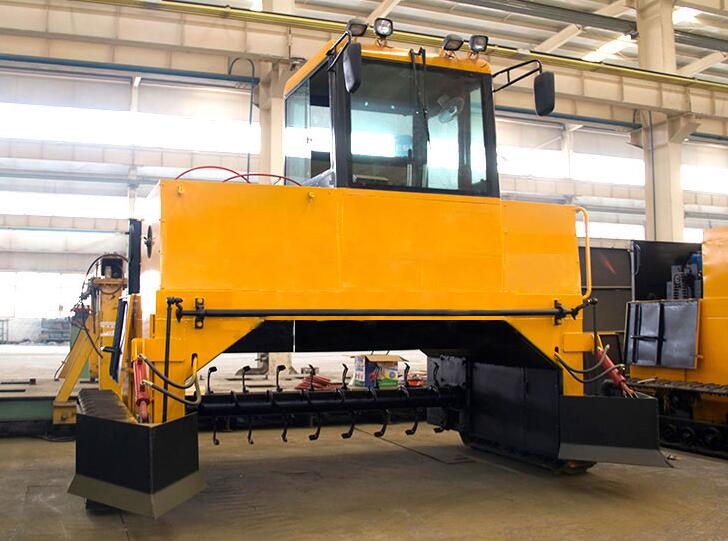
Key Parameters:
- Active Fermentation Time: 7 to 20 days (depending on raw materials), significantly shorter than the two to three months without mechanical turning.
Suitable Raw Materials:
- Agricultural organic waste, such as cow manure, poultry manure, and crop residues.
Advantages:
- The most cost-effective option for large-scale production.
- Large single-machine processing capacity, suitable for agricultural-scale operations.
Limitations:
- Requires a large amount of outdoor land.
- Depends on stable weather conditions.
- Controlling odor and leachate is difficult in open-air environments.
- Compliance issues may offset the yield advantage when near residential areas or with limited outdoor space.
Suitable Scenarios:
- Agricultural-scale operations processing cow manure, poultry manure, and crop residues. For independent comparisons and equipment guidance, please refer to the detailed windrow compost turner equipment review.
2. Fermentation Tanks: Compact structure, unaffected by weather.
Working Principle:
Horizontal fermenters, vertical fermenters, and Rotary Fermentation Tank enclose the composting process, significantly reducing land occupation compared to open windrow composting systems. Once the materials are loaded, one operator can manage the entire system, resulting in a high degree of automation.
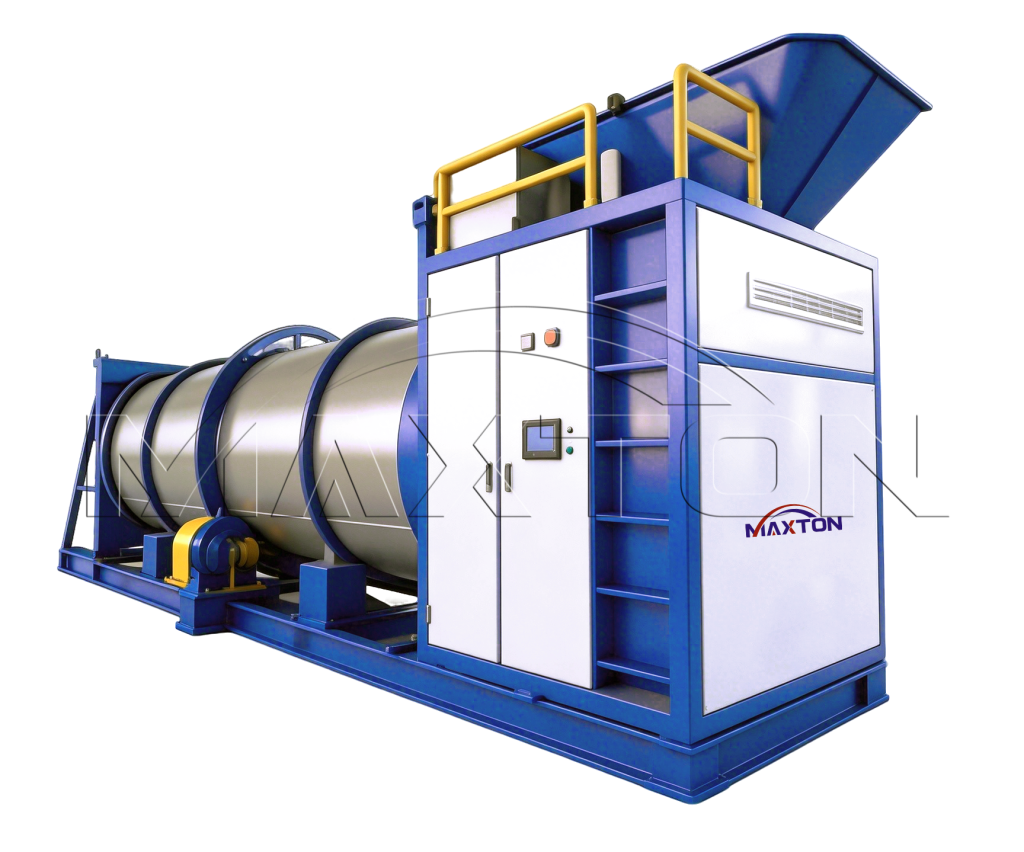
Key Parameters:
- Daily Processing Capacity: 5 to 50 tons
Suitable Raw Materials:
- Materials with high moisture content, such as food waste, sludge mixtures, and mixed organic waste
Advantages:
- Compact design, unaffected by weather
- Effective control of leachate and odor
- Automated operation, low labor costs
Limitations:
- The initial investment is higher than that of windrow systems
- Limited processing capacity per unit (below 50 tons/day)
Suitable Scenarios:
For operations with a daily processing capacity between 5 and 50 tons, requiring weather resistance and a controllable floor space, but without the high costs of fully enclosed composting systems, fermentation tanks are an ideal compromise. They are particularly suitable for food processors, composting cooperatives, and organic waste recyclers with limited space.
How Long Composting Actually Takes with Each Machine Type
Processing timelines by machine type
Real-world active fermentation timelines break down as follows. Advanced heated in-vessel systems process material in 3 to 4 days. Automated drum or batch in-vessel composters run 10 to 12 days. Groove-type windrow turner systems average around 20 days. Industrial open windrow operations without enclosed control run 2 to 3 months, even with mechanical turning, because ambient temperature and weather variation slow the thermophilic phase.
These are active fermentation periods only. Add 1 to 2 weeks of curing time to any of these figures before the compost is stable enough to granulate or bag for sale. Buyers who skip the curing phase end up with an immature product that creates quality complaints downstream. For maturity testing and industry guidance, consult the USDA composting guidelines.
How feedstock shifts your timeline
High-nitrogen feedstocks like poultry litter decompose faster than dry carbon-rich crop residues because the microbial population has more fuel to work with. Food waste benefits most from in-vessel processing because its high moisture content and rapid biological activity are easier to manage in an enclosed environment. A manure composting machine configured for cattle waste may require different turning frequencies and carbon amendment rates than the same machine handling mixed food waste.
The carbon-to-nitrogen ratio is the primary feedstock variable to optimize. The target range for fastest decomposition is 25:1 to 30:1. Ratios above 35:1 slow microbial activity; ratios below 20:1 waste nitrogen as ammonia gas. Getting this ratio right before material enters the machine reduces your active fermentation time more than any equipment upgrade will. For a clear explanation of the science behind the carbon-to-nitrogen ratio, see the referenced primer.
Matching the Right Organic Fertilizer Composting Machine to Your Operation
Volume thresholds that determine machine type
Throughput capacity is the first filter, not price. Operations processing under 5 tons per day can work effectively with compact in-vessel systems or small fermentation tank setups. The 5 to 50 tons per day range is the core territory for groove-type turners and medium fermentation tanks. Above 50 tons per day, wheel-type windrow systems or large industrial in-vessel composters become the practical options, and total installed cost requires full site evaluation rather than catalogue pricing.
Mid-scale systems in the 10 to 50 tons per day range typically run from $150,000 to $500,000 fully installed, including site prep, utilities connection, and equipment. Smaller compact in-vessel systems start lower, but throughput limits mean they won’t scale with your operation if volume grows.
Feedstock characteristics that shift the selection
Wet feedstocks, including food waste and sludge-blended organics, favor enclosed systems to manage leachate and odor. Dry fibrous materials like crop residues and straw work well in open windrow systems where their bulk structure maintains natural aeration channels. Mixed farm waste, combining manure with straw bedding, suits most turner configurations and is the most forgiving feedstock for buyers new to commercial composting.
Site constraints narrow the field further. Available outdoor acreage, local climate, and proximity to residential or commercial neighbors all filter your practical options before price ever enters the conversation. A windrow turner may be cheaper per ton than an in-vessel system, but not if regulatory compliance requires odor containment that open-air composting can’t provide.
What Composting Equipment Costs and When You Break Even
Price ranges by machine category
Entry-level commercial organic compost machines for light food waste processing start under $1,000, but these handle outputs measured in kilograms per day, not the tons-per-day volumes relevant to organic fertilizer production. Mid-scale fermentation tanks and groove turners for 5 to 20 tons per day operations run from roughly $15,000 to $80,000, depending on automation level and capacity. Large wheel-type windrow systems for high-volume production are capital-intensive and require a full site evaluation to arrive at an accurate installed cost figure.
Purchase price is only one part of the cost equation. Site preparation, utilities connection, and shipping all add meaningfully to the total installed cost. For equipment sourced from overseas manufacturers, import logistics alone can add a further significant sum to that figure. Factor in ongoing operating expenses as well: blowers, heaters, and mixers in Horizontal fermenters, vertical fermenters, and rotary fermentation tanks carry measurable electricity costs, while windrow turners require fuel and periodic wear-part replacement for flails, teeth, and belts.
Operating costs, maintenance, and payback expectations
Maintenance on organic fertilizer composting equipment follows a predictable cadence. Daily checks cover fluid levels, belts, and component integrity. Monthly tasks include filter inspection and lubrication. Annual maintenance involves replacing wear parts and conducting full mechanical inspections. Horizontal fermenters, vertical fermenters, and Rotary Fermentation Tanks reduce labor to a single operator per shift; windrow systems require more active management but lower capital expenditure per unit of throughput. For maintenance best practices on turners, manufacturers’ and industry articles provide useful checklists and troubleshooting tips.
Operations selling finished organic fertilizer at market rates typically see payback in 2 to 4 years, with variables including feedstock acquisition cost, output volume, and local market pricing. Mid-scale operations generating consistent monthly output can accelerate that timeline by securing forward purchase contracts with agricultural buyers before production starts, rather than selling into spot markets.
What to Look for in a Supplier Before You Commit
Full-line suppliers vs. single-machine vendors
A composting machine purchased from a single-equipment vendor may not integrate cleanly with the granulators, screeners, dryers, or packaging lines you need downstream. The output specification from your composting stage, including particle size, moisture content, and organic matter stability, directly determines which granulation method works and at what efficiency. Buying composting equipment in isolation and adding downstream equipment later typically results in compatibility problems, production bottlenecks, and additional engineering costs to bridge the gap.
A supplier offering a complete organic fertilizer production line designs the composting stage to match downstream requirements from the start. MAXTON is structured around this model, supplying organic fertilizer composting machines as integrated components of full organic fertilizer equipment systems rather than as standalone units. With over 20 years of specialized manufacturing experience covering fermentation, granulation, screening, and packaging, MAXTON’s team works from the system level downward, which means fewer compatibility surprises and a production line that performs as a coherent whole rather than an assembly of individually sourced machines.
Key questions to ask before signing
Before committing to any supplier, get documented answers to the following questions. Suppliers who can’t answer these clearly are selling equipment without understanding your production context.
- What is the guaranteed maximum daily throughput for my specific feedstock type?
- What feedstock moisture and carbon-to-nitrogen ratio ranges does the system handle reliably?
- What is the required operator count, and what training does the supplier provide?
- What is the warranty coverage, and where are spare parts stocked for my region?
- Does the supplier offer installation support, commissioning, or on-site consultation?
- How does this composting unit connect to downstream granulation and packaging equipment?
- Choosing the Right System, Not Just the Right Machine
The decision framework is straightforward when you apply it in order. Start with your daily input volume to establish which machine category is even viable. Filter by feedstock characteristics and site constraints. Then evaluate automation level, operating cost, and total installed budget within that filtered set. The organic fertilizer composting machine that fits your operation is the one built around your inputs and scale, not the one with the lowest sticker price or the most compelling specification sheet.
Windrow turners, fermentation tanks, and in-vessel composters each have a clear use case, and none is universally superior. Your feedstock, volume, and site define the answer. What the three types share is this: each is a system component, not a standalone solution.
Use this guide as the foundation for your supplier shortlist. Bring the questions from the final section into your first conversations. The right composting equipment, integrated properly into a complete production line, pays for itself through consistent output quality and a finished product that commands a reliable market price. That outcome starts with buying a system, not just a machine.
Related Posts
9 月 15, 2026
Fertilizer Plant Cost in 2026: Real Budget Ranges for Organic, Liquid, and NPK Production
Quick answer: A small organic fertilizer plant can start under $50,000. A commercial granular fertil...
8 月 24, 2026
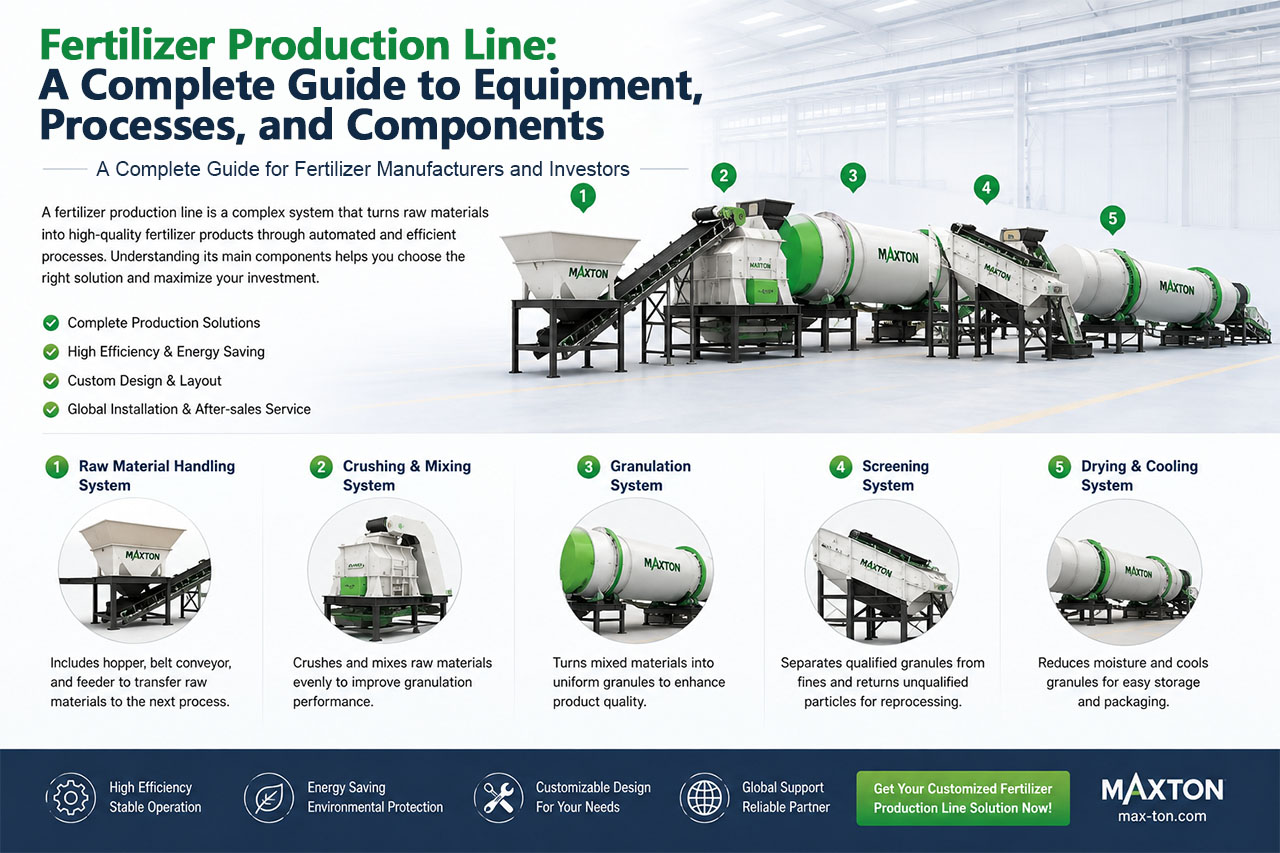
Fertilizer Production Line: A Complete Guide to Equipment, Processes, and Components
What Are the Main Components of a Fertilizer Production Line? A complete fertilizer production line ...
Give us a call or Simply Complete the Form
Address:Zhengzhou City, Henan Province, ChinaPhone:+86-18237180035Email:svip@maxtonorg.com